Destination

Punta Arenas

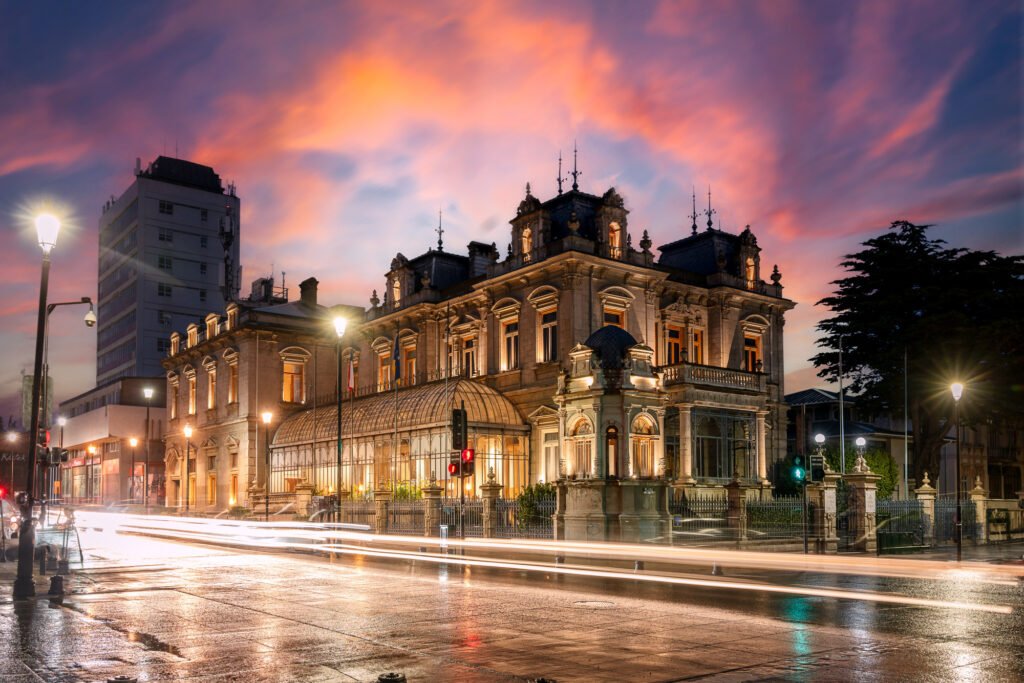
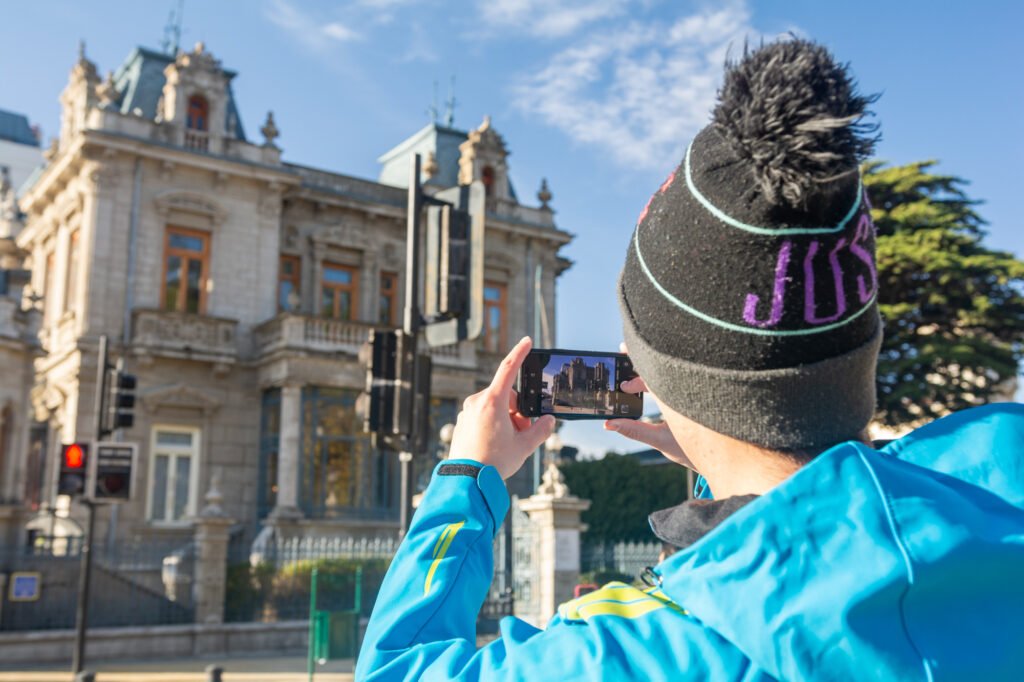
Punta Arenas—capital of the Magallanes and Chilean Antarctica Region and also of Magallanes Province—is the gateway to Chilean Patagonia and the main urban center in the far south. Its cosmopolitan heritage and distinctive architecture evoke a small European city, offering high-quality services and all the comforts needed to welcome discerning visitors.


Located on the shores of the legendary Strait of Magellan, the city is the starting point for exploring landscapes of extraordinary beauty and key cultural landmarks: Patagonian ranches (estancias), historic lighthouses and forts, Magellanic penguin colonies and humpback whale watching, the southernmost point of the continent, and a wide variety of activities and experiences available year-round.

The origins of Punta Arenas date back to the 16th century, with the discovery of the strait by Ferdinand Magellan. In the mid-19th century it served as a penal colony and later became a vital trading and supply hub for ships sailing between the Pacific and Atlantic oceans—a role it maintained until the opening of the Panama Canal in the early 20th century.

What to do in Punta Arenas

This circuit highlights the main milestones in Punta Arenas’ history and its close connection to the colonization of Patagonia.

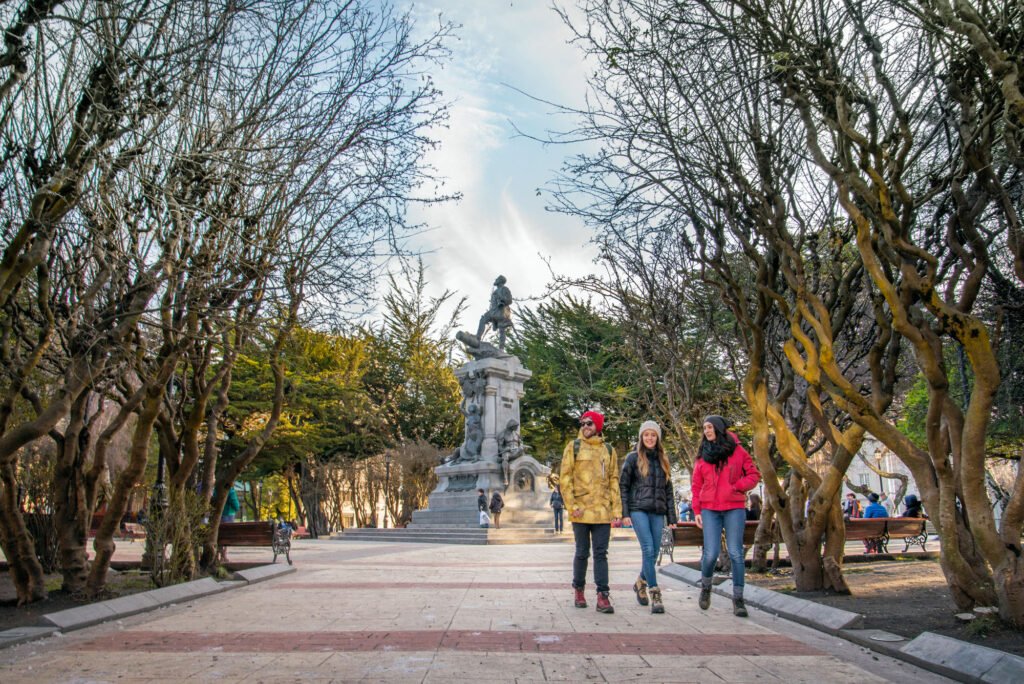
Punta Arenas’ Plaza de Armas (Main Square) is surrounded by elegant heritage mansions, reflecting the European-influenced architecture that shaped the city’s development. At its center stands the Monument to Ferdinand Magellan, whose base features two bronze sculptures: on one side, a reclining Patagonian Indigenous figure, and on the other, a young woman with raised arms.


According to local tradition, kissing the toe of the Indigenous figure ensures a quick return to the city—making it one of the most photographed rituals among visitors to Punta Arenas.

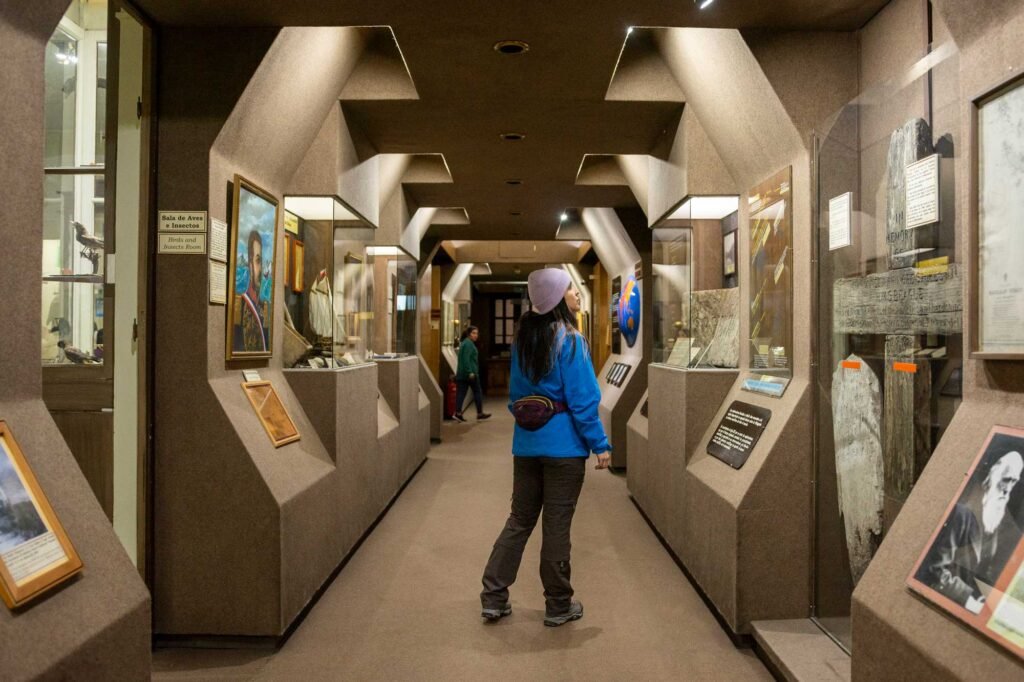
Considered one of the city’s best museums thanks to its wide and comprehensive collections. Exhibits include ethnology, history, flora and fauna, as well as missionary work, Indigenous crafts, fossils and petrified animals, tools used by Indigenous peoples, photographs, and mineralogy.

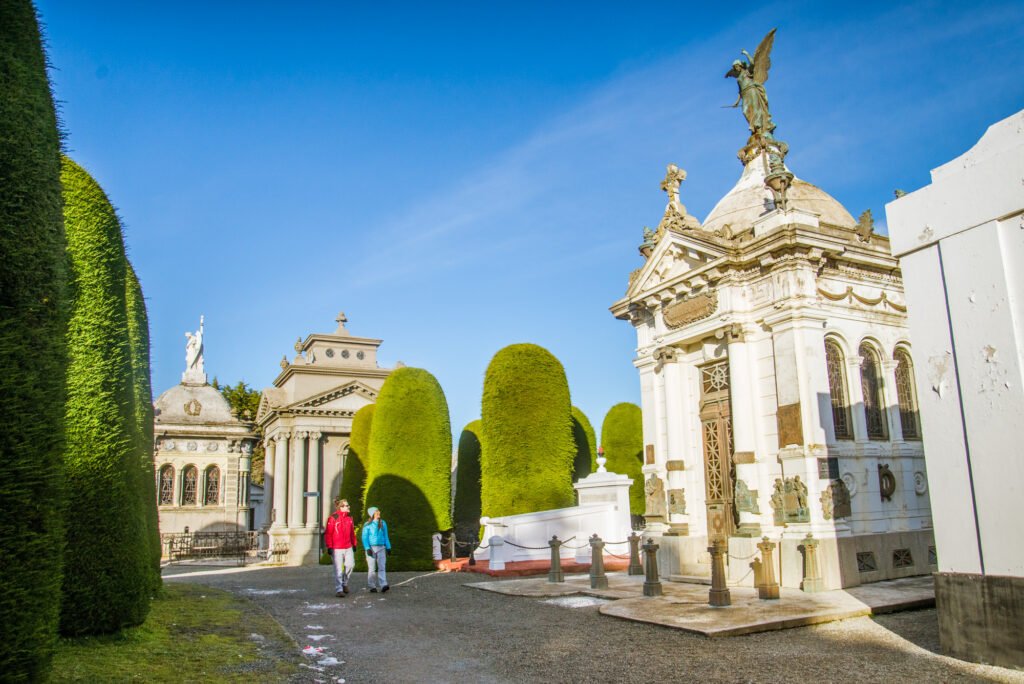
A place rich in history, remarkable for both its architecture and the legends surrounding it. Internationally recognized, this cemetery stands out for its grand avenues of European cypresses and wide walkways lined with mausoleums and tombs influenced by different nationalities and traditions. Its unique atmosphere makes it one of the most beautiful and iconic cemeteries in South America.

The region’s main shopping center, featuring modern infrastructure with 14,000 square meters of built space, more than 100 stores across multiple categories, and family entertainment areas.

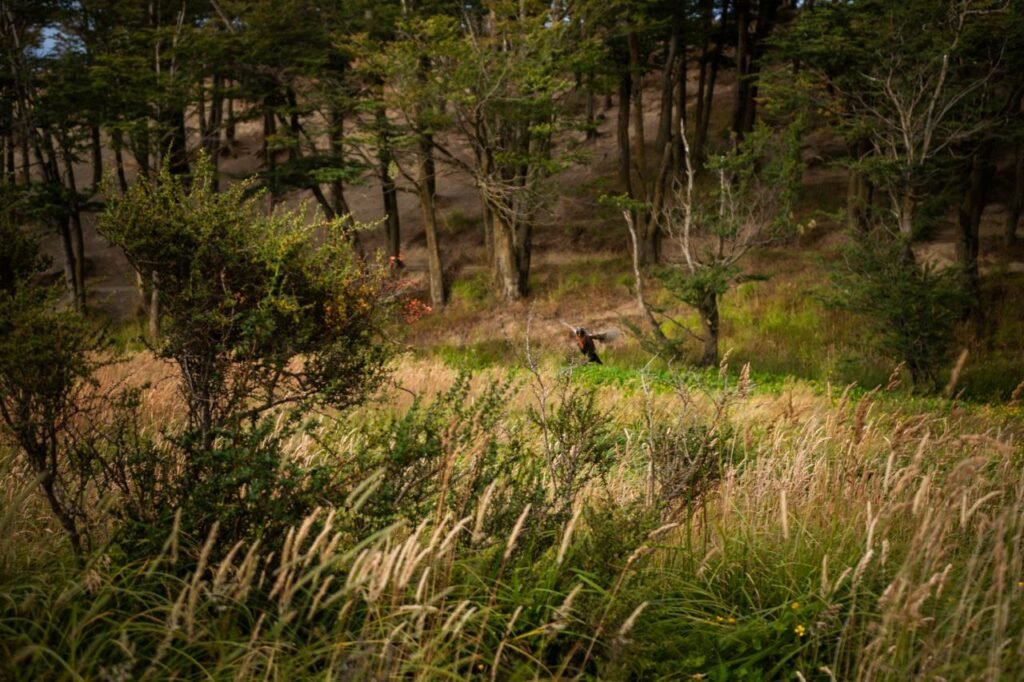
An urban nature reserve and the southernmost recreational park in Punta Arenas. It preserves a remnant of native forest that once extended to the Chabunco area. More than 30 forest and wetland bird species have been recorded here, the latter due to the artificial lagoon on site.

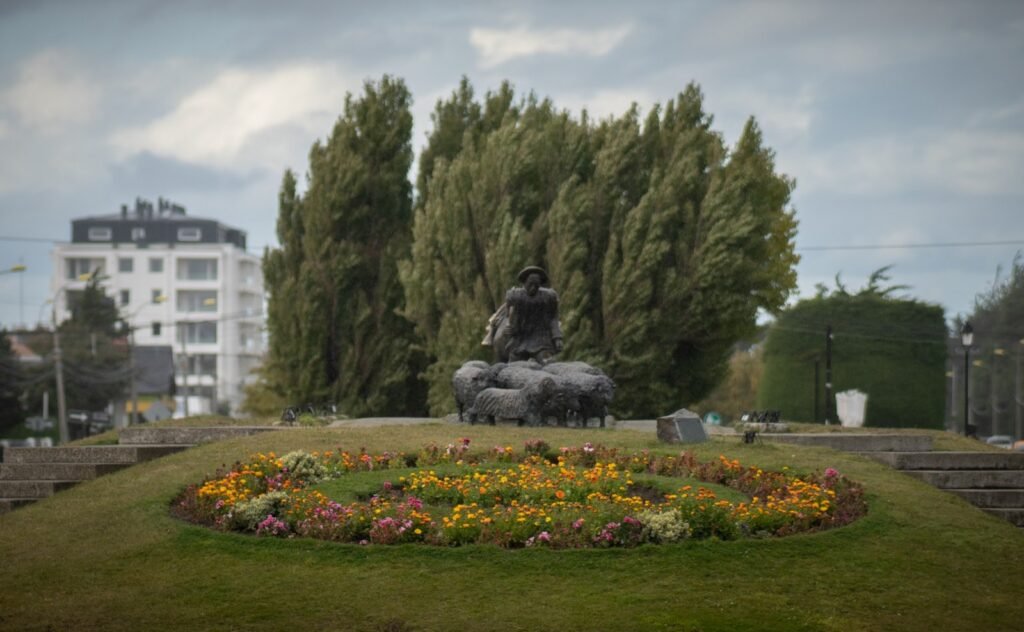
Created by sculptor Germán Montero, dedicated to Patagonia’s sheep herders.

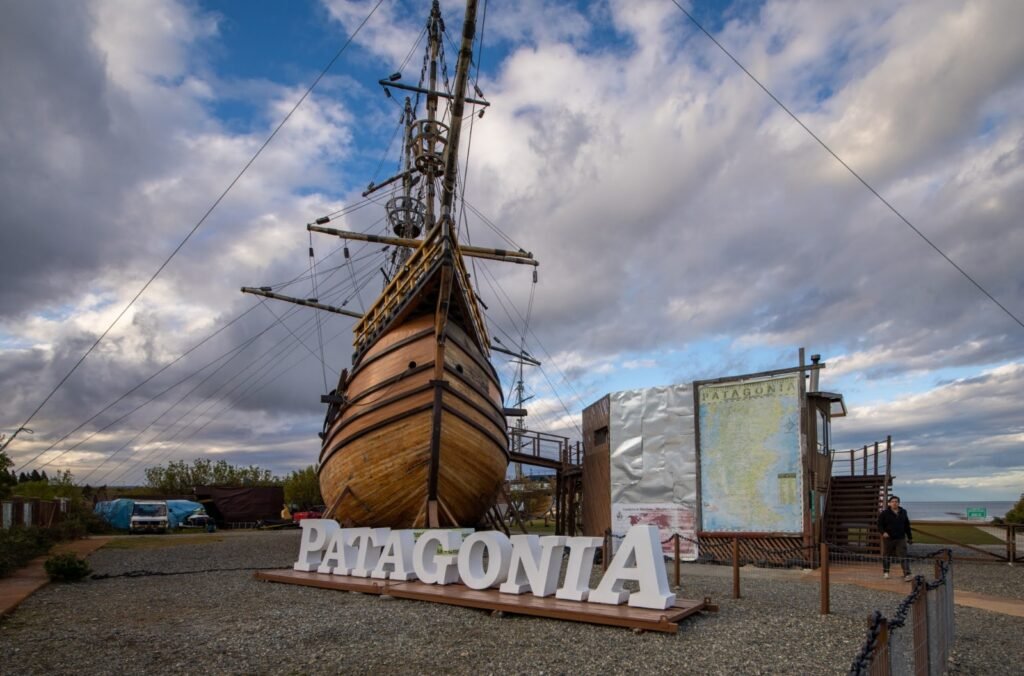
A full-scale replica of Ferdinand Magellan’s ship—the only vessel from the fleet to complete the first circumnavigation of the globe. A cultural attraction that lets visitors step back 500 years through ambient sounds, reproductions of everyday objects, navigation instruments, and artillery.

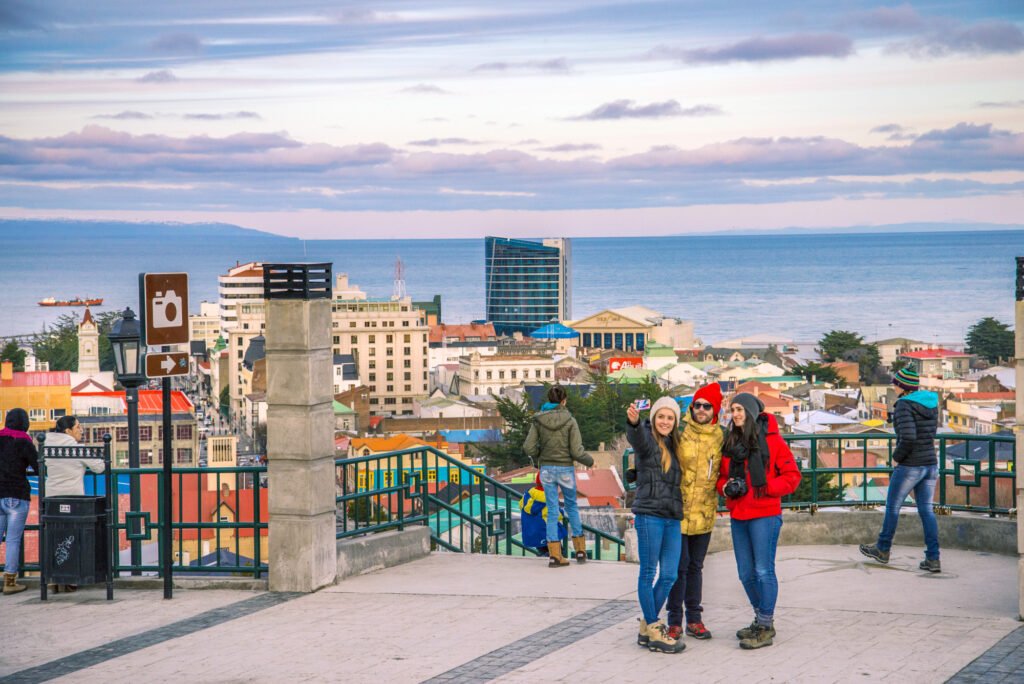
A must-stop for tourists thanks to its central location and privileged views over the city. From here, visitors can take in the downtown and southern areas, as well as the Strait.

Cómo llegar a Punta Arenas

Vía marítima: 

Cargo, vehicle, and passenger ferries provide access to Punta Arenas from regional islands and from northern Chile. Routes travel through channels and fjords or cross the Strait of Magellan, offering an excellent way to experience southern landscapes.

Ferry from Puerto Montt: A ferry with cabins and basic services departs weekly from Puerto Montt. Traveling through fjords and channels with views of the Southern Ice Fields, it connects Puerto Natales with northern Chile. The journey lasts 4 days, and upon arrival in Puerto Natales, Punta Arenas can be reached by car or bus.

Cruises: Maritime access to the region is also possible via the ports of Punta Arenas through the Strait of Magellan, where ocean liners call before continuing on to other destinations in South America and Antarctica.

Vía terrestre:

Magallanes has no direct road access connecting the region with the rest of Chile. Most vehicles arriving from Argentina enter via the Integración Austral / Monte Aymond border crossing (196 km from Punta Arenas) using Route 255, which then connects with Route 9 toward Punta Arenas or Puerto Natales.

The city is connected to Puerto Natales and Torres del Paine via Route 9 North. Several car rental companies and bus operators run daily services to Puerto Natales. Punta Arenas also has regular buses to Río Gallegos and Ushuaia in Argentina.

By Air:

Punta Arenas can be reached from Santiago, Puerto Montt, and Balmaceda, landing at Carlos Ibáñez del Campo International Airport, located 20 kilometers from the city. From the airport to downtown, travel via the northern highway (Route 9) takes approximately 25 to 30 minutes.

From the airport, buses, minibuses, and authorized taxis depart daily to the city and to other destinations such as Puerto Natales. There are also regular regional flights from Porvenir and Puerto Williams. In addition, there are connections with the Falkland Islands (Islas Malvinas) and Argentina.