Destination
Tierra del Fuego
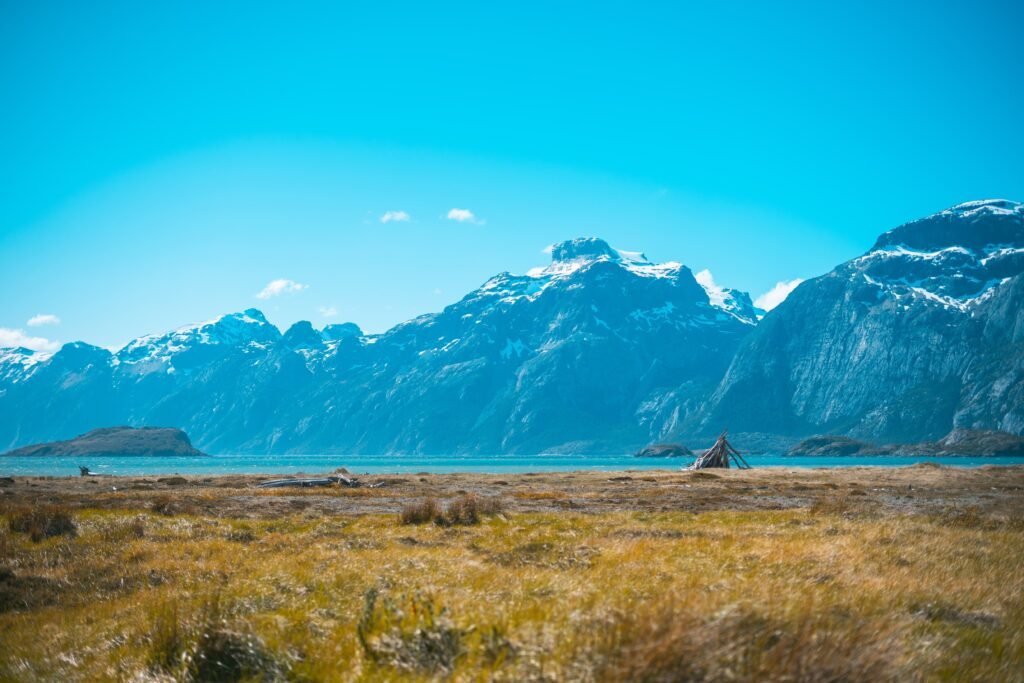
The Province of Tierra del Fuego occupies the western sector of the Isla Grande of Tierra del Fuego, south of the Strait of Magellan. It is a land of endless landscapes, where the Patagonian steppe, great lakes, southern mountains, and Indigenous history blend with the pioneer legacy of gold, ranching, and colonization. Its capital, Porvenir, is the island’s natural gateway and a key connection point for exploring its wild surroundings and rural communities.
The name “Tierra del Fuego” was given by Ferdinand Magellan in 1520, when he observed numerous bonfires lit by the Selk’nam (Ona), the territory’s Indigenous inhabitants. For them, the island was Karukinka—“Our Land”—a cultural identity deeply tied to nature’s cycles, guanaco hunting, and the wide horizons of the steppe.

Tierra del Fuego invites visitors to enjoy authentic experiences: hikes in remote landscapes, navigation through the legendary strait, unique wildlife watching, exploration of archaeological sites, and direct contact with Fuegian identity. It is an ideal destination for travelers seeking pristine nature, silence, culture, and adventure.

What to do in Tierra del Fuego
Trekking y senderismo de aventura
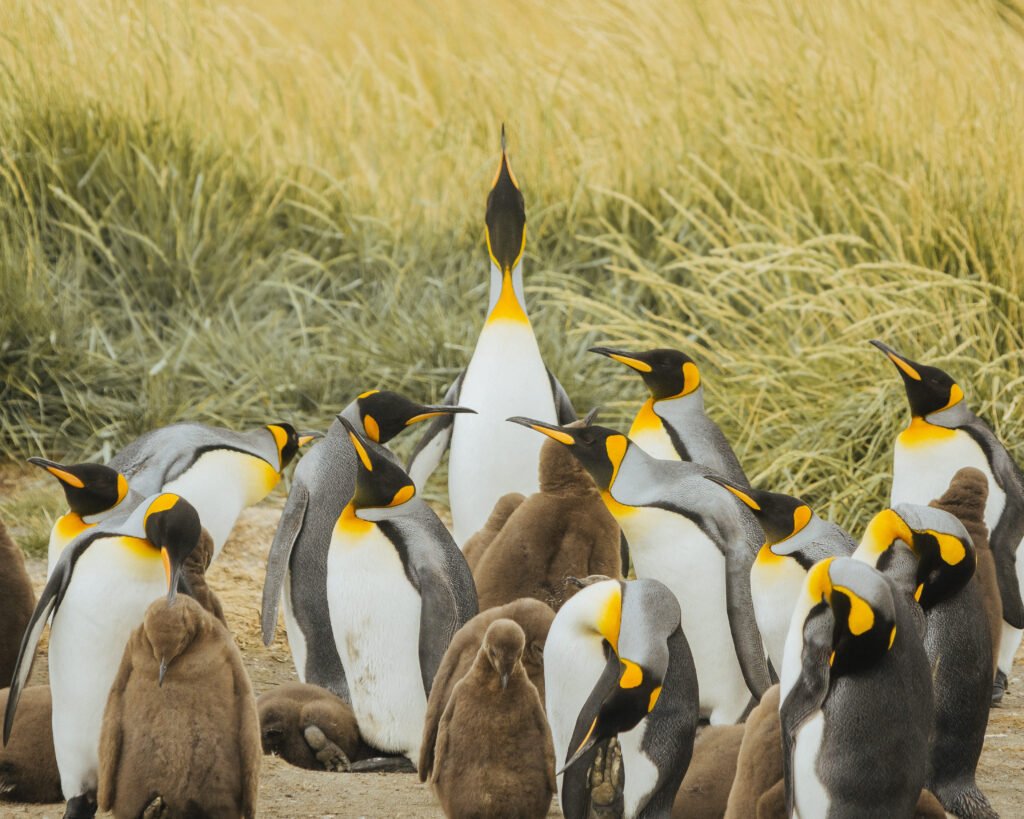
King Penguin Natural Reserve
One of the most important attractions in the region’s tourism offering, both for its story and because it is home to the only King Penguin colony in South America. It promotes the conservation and protection of the king penguin, along with the rich vegetation, wildlife, and archaeological sites of Bahía Inútil, through a conservation project built on three pillars: research, education, and sustainable tourism.
Located 114 kilometers from Porvenir. Reservations must be made at least one day in advance at www.pinguinorey.com.
Season: October to May. Check opening hours on the website.

Almirantazgo Sound (Seno Almirantazgo)
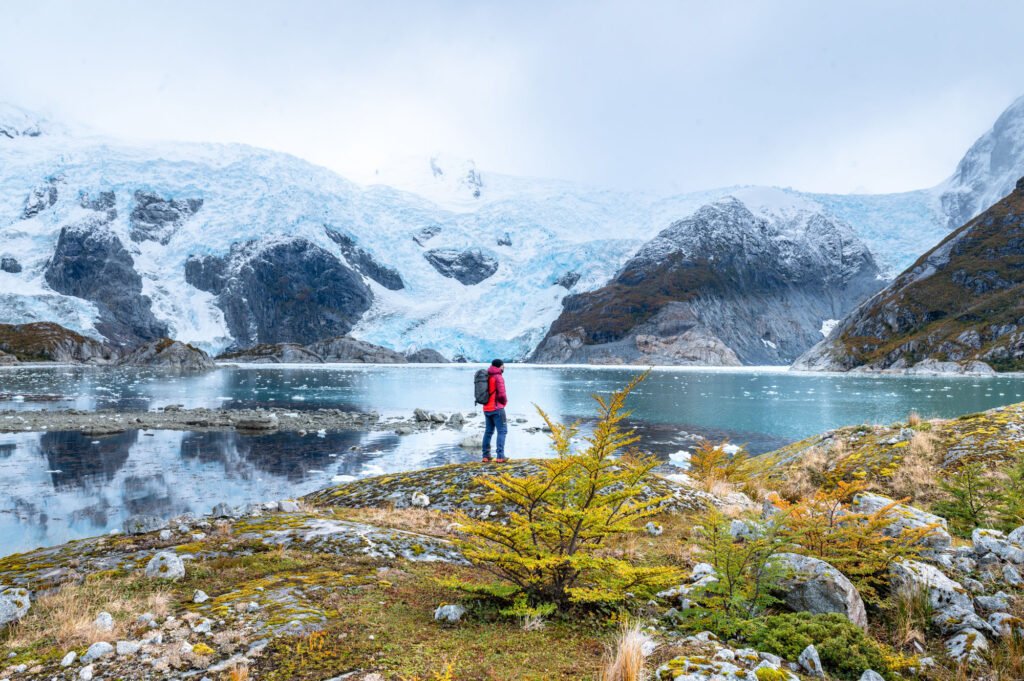
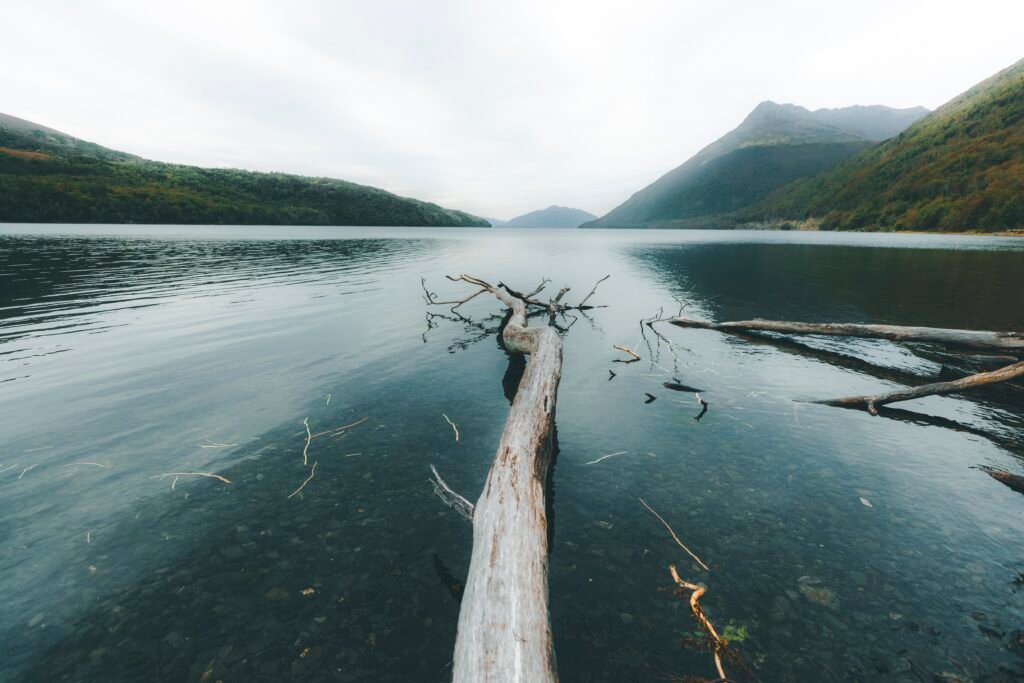
Covering 76,400 hectares, Almirantazgo Sound is Tierra del Fuego’s first protected marine area. It is bordered by two major conservation zones: Karukinka Natural Reserve to the north and Alberto de Agostini National Park to the south.
Its geography is shaped by the Fagnano–Magallanes Fault, which allows the Darwin Range to cross the island, creating a spectacular landscape of fjords, mountains dropping into the sea, and 14 active glaciers.
The area stands out for its calm bays and native lenga, coigüe, and ñirre forests, offering one of Patagonia’s most pristine and breathtaking natural settings.

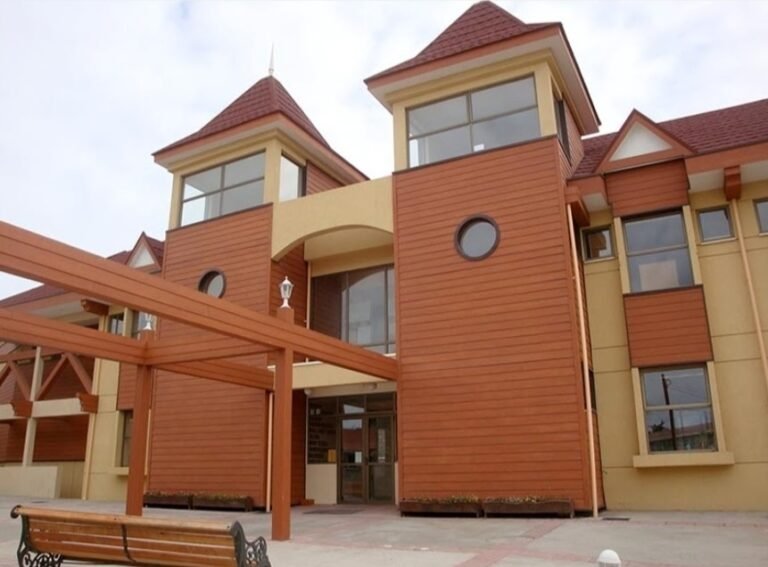
Fernando Cordero Rusque Municipal Museum (Porvenir)
Porvenir is the island’s most important town and its cultural and historical center. Its municipal museum houses a valuable collection on the Selk’nam people, European colonization, the gold rush, and local biodiversity. It is one of the most complete ethnographic museums in Chilean Patagonia.
Address: Jorge Schythe 71, Porvenir.

Bahía Lomas
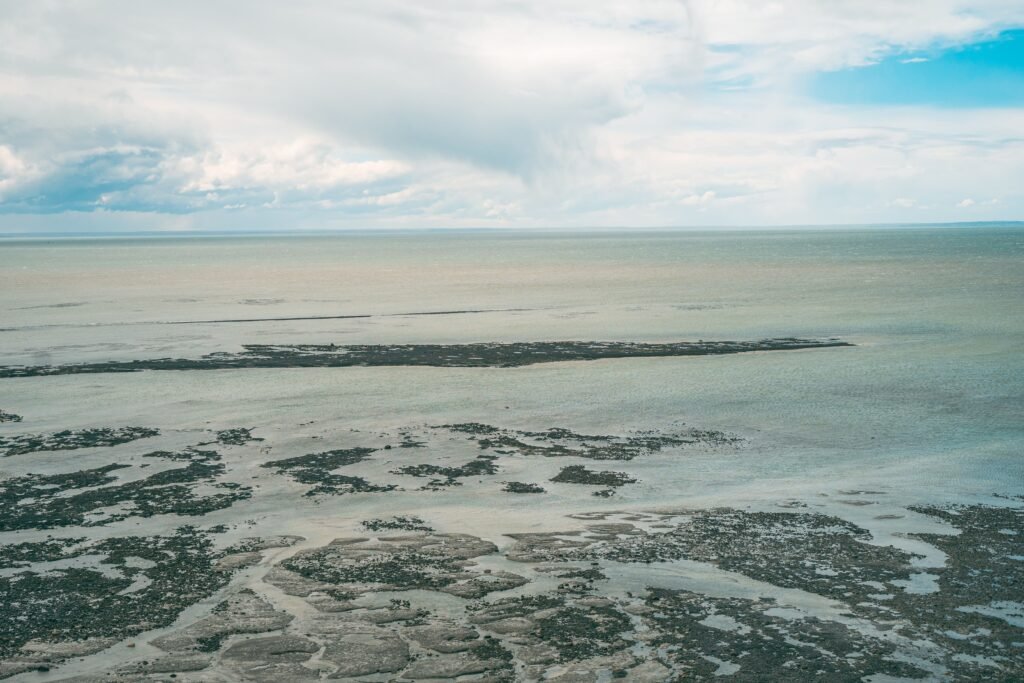
Bahía Lomas wetland is the southernmost in Chile. It was designated a Ramsar Site in 2004 and a Western Hemisphere Shorebird Reserve Network (WHSRN) Site in 2009. It is world-renowned for hosting thousands of birds that migrate more than 15,000 kilometers each year. One of the most notable is the red knot (Calidris canutus), which after breeding in the Northern Hemisphere (Alaska) migrates to the southern coasts of the Strait of Magellan. Visits should be coordinated with Centro Bahía Lomas.

Laguna de los Cisnes / Stromatolite Park
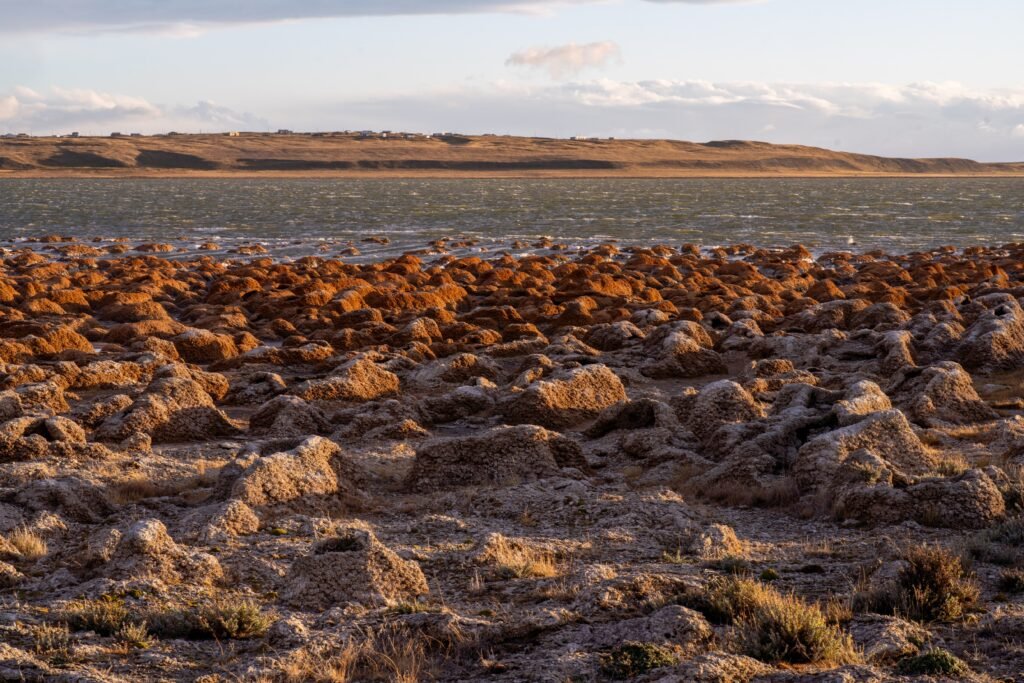
Laguna de los Cisnes, located a few kilometers from Porvenir, is one of the few places in the world where these remarkable geobiological systems can be observed—formed by microorganisms over millions of years. Their presence makes the area a key site for studying environments similar to those at the origins of life.
Laguna de los Cisnes Natural Monument stands out for its pristine setting, scenic and archaeological value, and as an excellent birdwatching spot, especially between October and March. The area has no infrastructure, helping preserve its natural, isolated character.

Karukinka Park
A private nature park promoting a new model for biodiversity conservation. Here you can observe peatlands, Andean areas, the Patagonian steppe, shrublands, and coastline—ecosystems representative of southern and sub-Antarctic biodiversity. There is no public transportation to access Karukinka Park. The best option is to rent a vehicle in Punta Arenas or hire a transport service in Porvenir.

How to get to Tierra del Fuego
By Sea
The most common access is from Punta Arenas:
Punta Arenas – Porvenir Ferry
Daily crossing of 2 to 2.5 hours across the Strait of Magellan. You can travel with or without a vehicle, and it is the most used option to reach the Fuegian capital.
Punta Delgada – Bahía Azul (Primavera) Ferry
A vehicle-friendly option that crosses the strait in about 20 minutes, providing fast access to Cerro Sombrero, Porvenir, and the rest of the island.
By Air
Porvenir Airfield: Regular flights and charters from Punta Arenas (about 30 minutes).
Franco Bianco Airfield (Cerro Sombrero): For special or private flights.
By Road
From Río Grande (Argentina): you can reach Porvenir or Timaukel via interior roads connecting to the San Sebastián border crossing and the Fuegian route network.