Magallanes
Chilean Patagonia
Where the world takes on a different scale
About
Magallanes
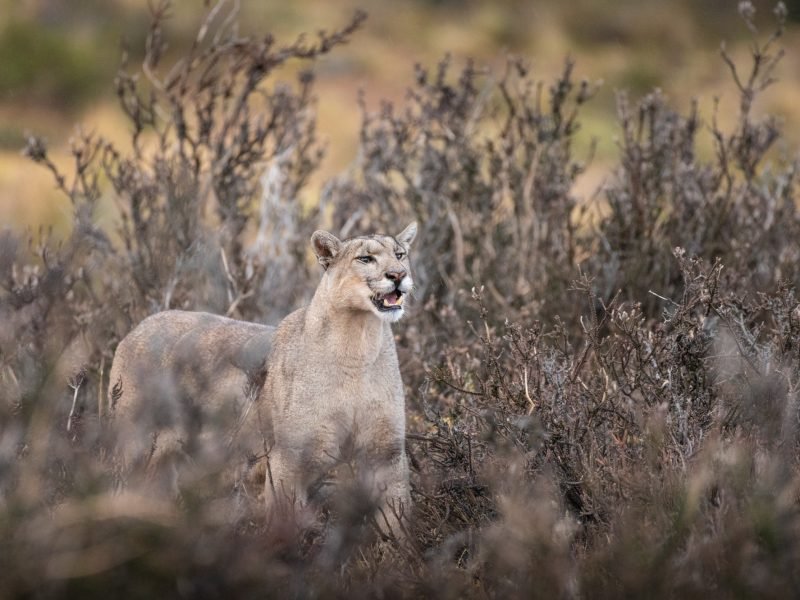
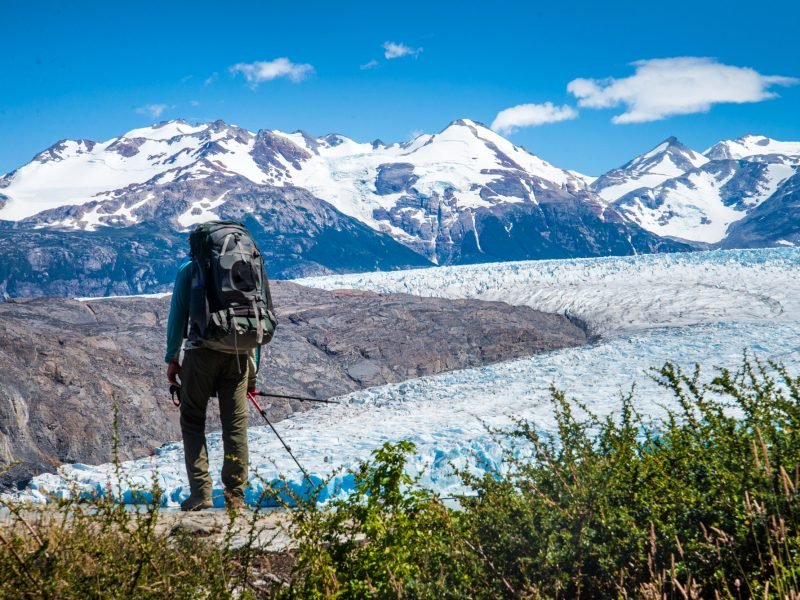
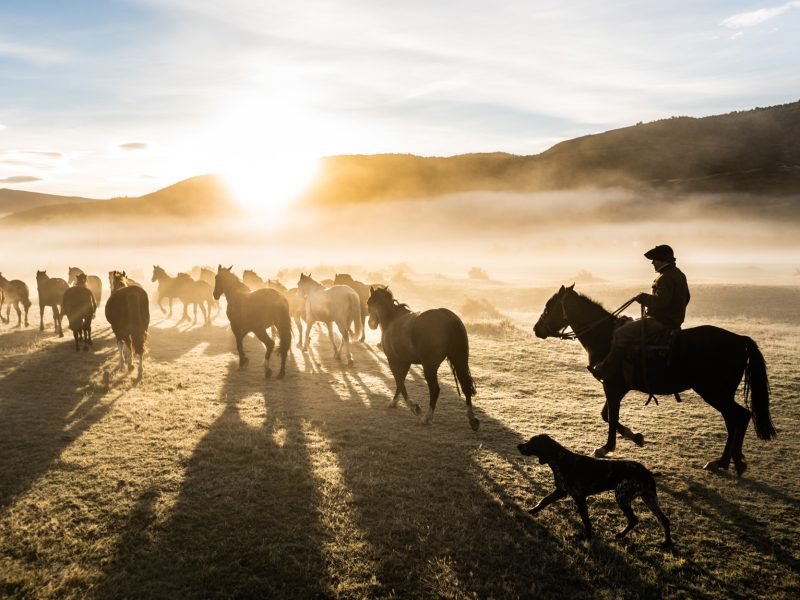
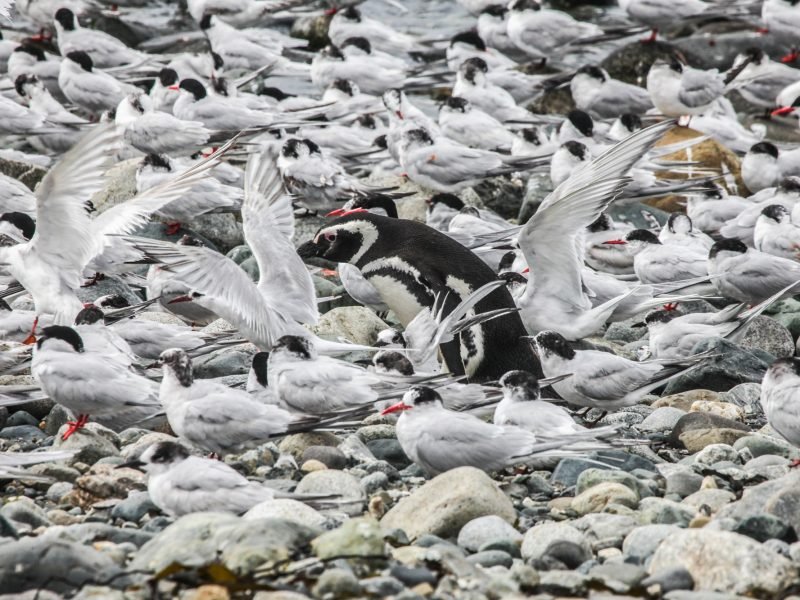
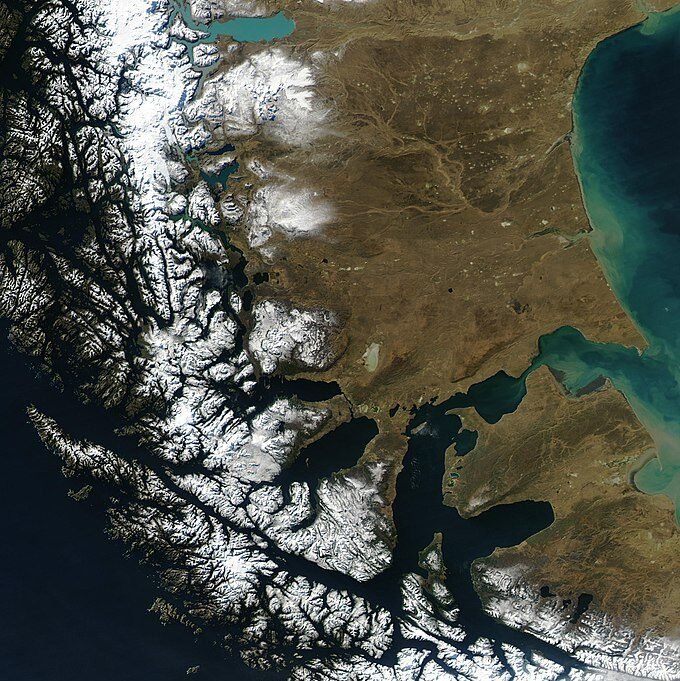
In the southernmost tip of Chile, where Patagonia reaches its end and Antarctic territory begins, the Magallanes Region is one of the most extraordinary natural destinations on the planet. Torres del Paine, the Southern Patagonian Ice Field, the Patagonian fjords, Tierra del Fuego, and the mythical Cape Horn — landscapes that can hardly be captured in a single photograph, alongside wildlife that coexists with humans as if here, at the end of the world, nature still holds the upper hand.
Centuries of History at the End of the World
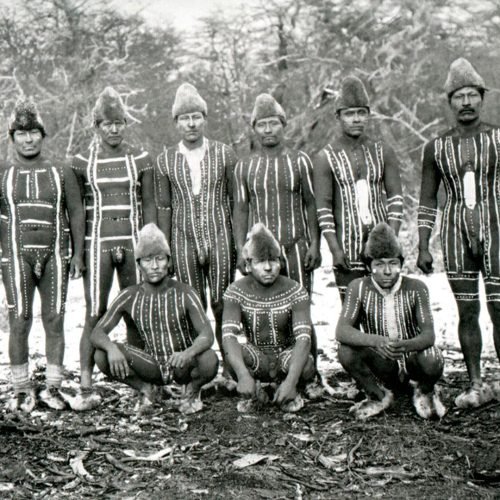
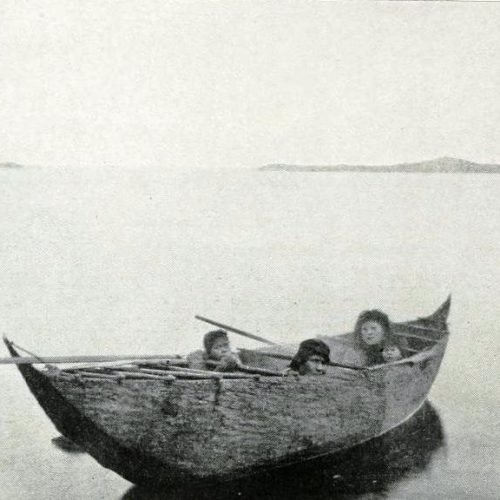
For centuries, the Magallanes Region has captured the world’s imagination — and long before it was discovered by outsiders, it was already home to Indigenous peoples who learned to live in one of the most extreme environments on Earth. The Selk’nam inhabited the Fuegian steppe, the Kawésqar navigated the Patagonian channels for millennia, and the Yaghan reached the shores of Cape Horn — regarded as the southernmost people in the world.
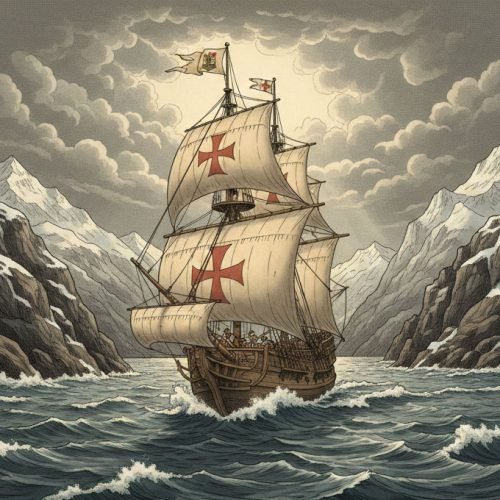
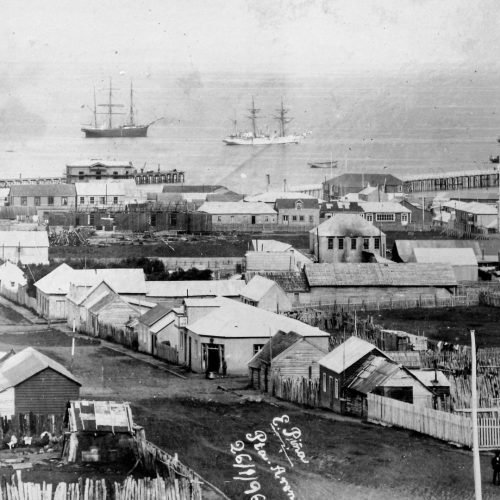
In 1520, Ferdinand Magellan became the first European to navigate the strait that now bears his name, opening the maritime route that would connect the Pacific and Atlantic Oceans for centuries. Cape Horn, discovered in 1616, became one of the most feared and legendary landmarks in global navigation. Centuries later, in the late 19th century, European settlers — Croatians, Spaniards, and British — arrived in Chilean Patagonia to raise sheep on estancias that still define the landscape and cultural identity of the region today.
Four Provinces, Four Different Worlds
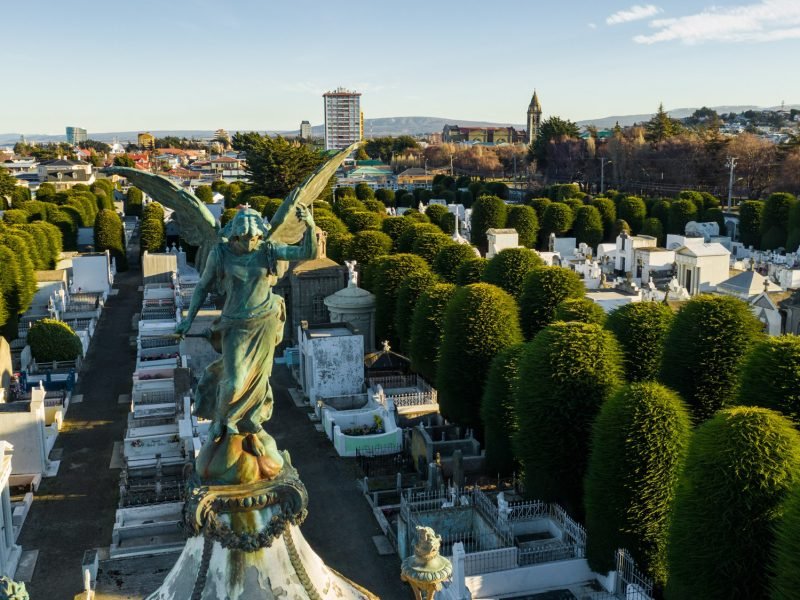
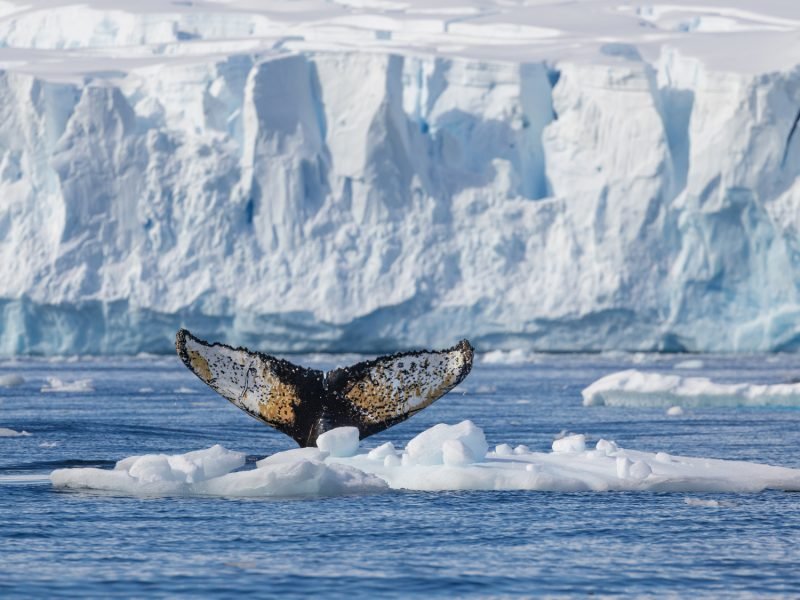
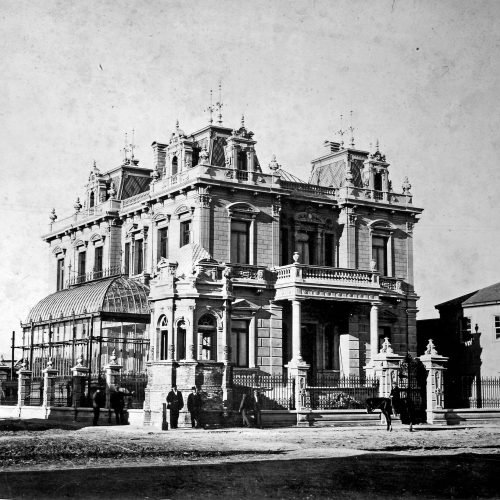
The Magallanes Region is divided into four provinces, each with its own distinct character. Magallanes, the most populated, has Punta Arenas as its regional capital — a modern, well-connected city with a cultural identity shaped by centuries of maritime history. Tierra del Fuego is defined by steppe landscapes, silence, and a low-angled light that shifts hour by hour — a territory that still feels truly unexplored. Última Esperanza, with Puerto Natales as its gateway, is the heart of Patagonian tourism and the natural access point to Torres del Paine. And Chilean Antarctica, the southernmost province on the planet, is a land of southern ice fields, Patagonian channels, and expeditions that very few families in the world can say they have experienced.