
Destination
Antarctic

Antarctica is the most remote and extreme territory on the planet, renowned for its icy landscapes, mountains, and southern oceans, as well as its immense scientific and environmental value. From Chile, Chilean Antarctica is seen as a natural gateway to the White Continent—mainly from the Magallanes Region—connecting travelers with one of the last great pristine places on Earth.
This destination stands out for its marine biodiversity, its colonies of penguins, seals, and birds, and for being a key natural laboratory for studying climate, oceans, and polar ecosystems. The Antarctic experience combines adventure, contemplation, and learning, with an increasingly important focus on conservation and responsible tourism.
What to do in Antarctica
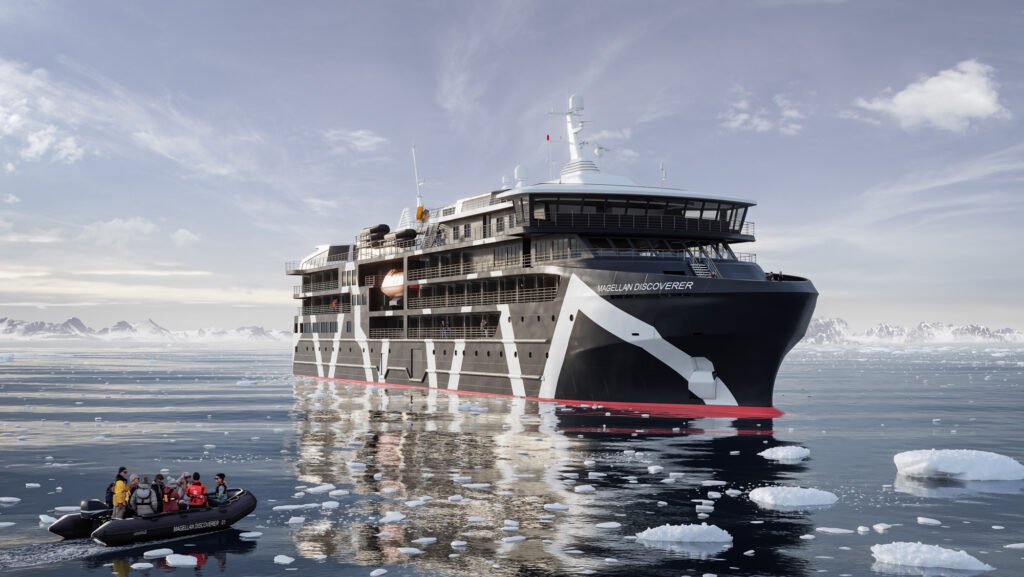
Polar expeditions & cruising
Zodiac landing
In permitted areas and with specialized guides, visitors make shore landings to walk along beaches and natural viewpoints, always respecting wildlife distances and environmental rules. Some routes include short, low-effort walks in safe, authorized zones.
Wildlife & nature watching
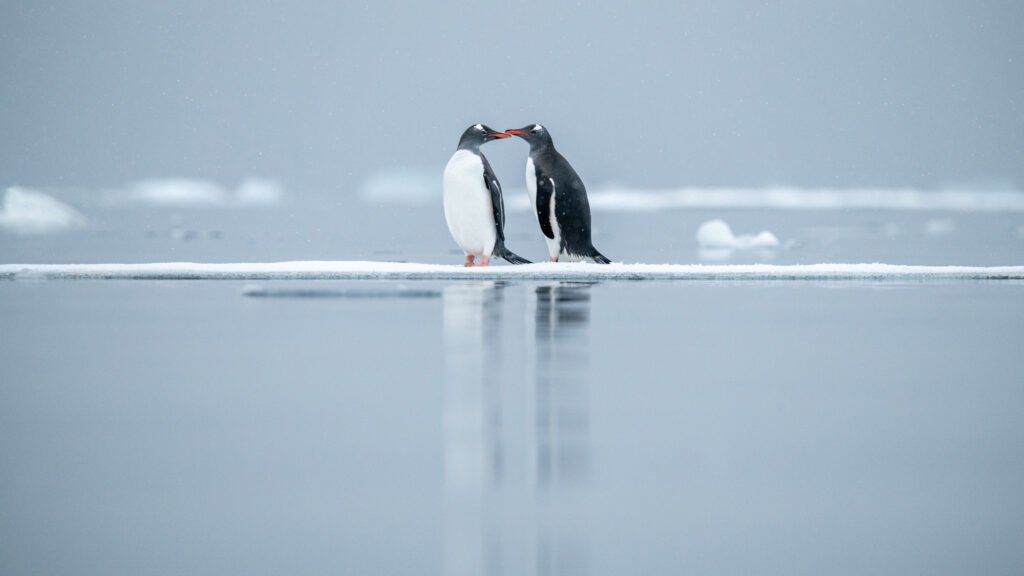
Penguin colonies
One of the most photographed highlights: different species can be seen at their colonies during the austral summer, when access conditions are most favorable.
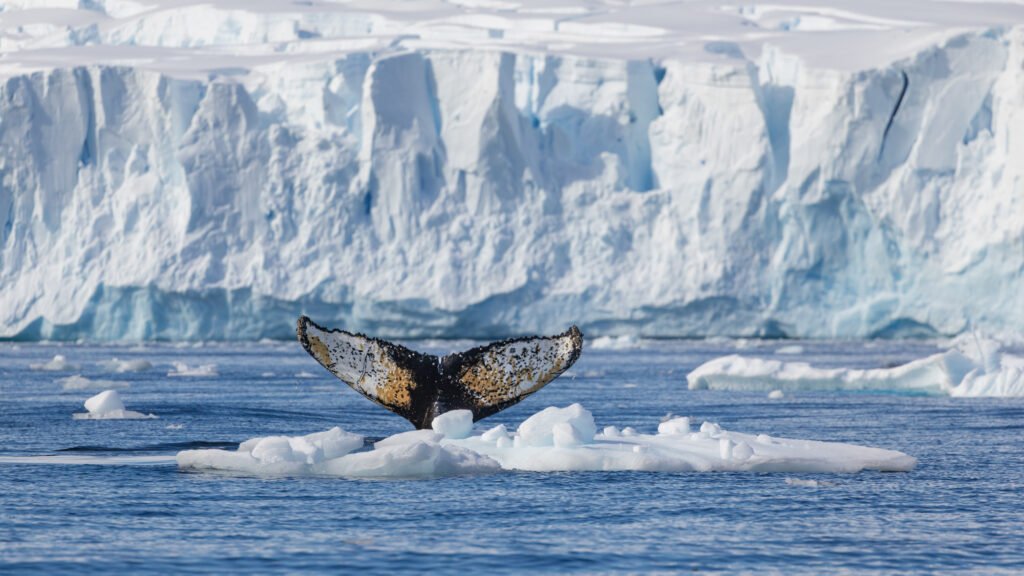
Whale watching and marine wildlife
In season, it is possible to spot whales, seals, and seabirds—especially during navigations and coastal outings.
Extreme landscapes & photography
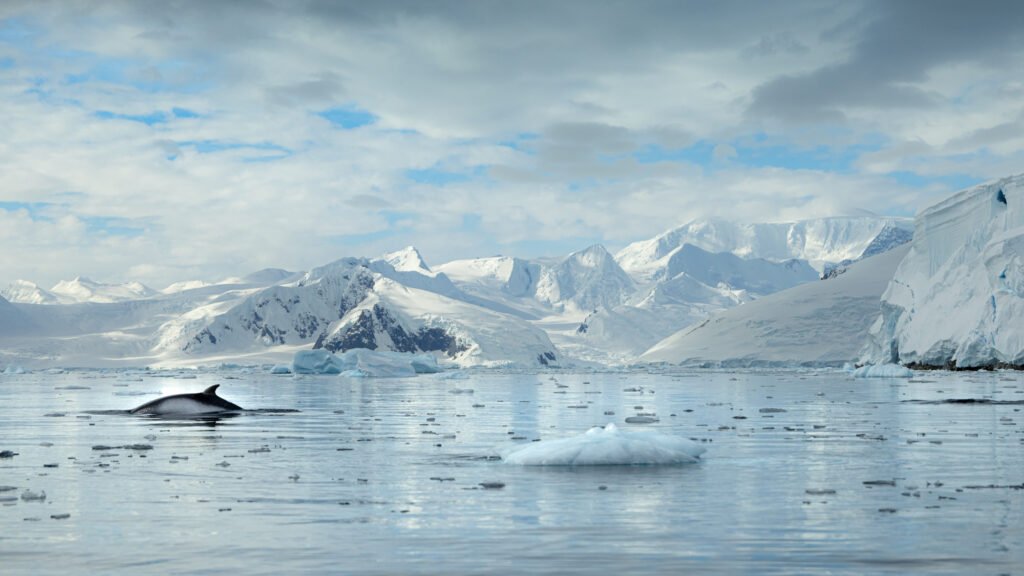
Natural viewpoints, glaciers, and icebergs
Antarctica offers truly unique scenery: massive glaciers, snow-covered mountains, icebergs, and frozen bays—ideal for nature and landscape photography.
Scientific & educational tourism
Scientific and educational talks and content
Expeditions often include educational sessions on polar history, climate change, geography, wildlife, and conservation protocols, enriching the visit with scientific context.
How to get to Antarctica
By sea (expedition):
Expedition cruises sail to the Antarctic Peninsula, with controlled zodiac landings depending on conditions and regulations.
By air + sea:
Fly from Punta Arenas to King George Island and then continue by expedition ship around Antarctica.
By air:
Some tourism programs offer flights from Punta Arenas to King George Island as a specific day-visit experience, depending on operations and season.