
Destination
Puerto Natales

Set in a privileged natural setting, Puerto Natales is the gateway to some of Patagonia’s greatest adventures. The capital of Última Esperanza Province and located 248 kilometers from Punta Arenas, the city was founded by Scottish and German immigrants who exported lamb and wool to Europe. Today, that past blends harmoniously with a modern identity, positioning Natales as a leading gastronomic hub in the far south.
A must-stop for travelers heading to Torres del Paine National Park, the city charms visitors with its early 20th-century architecture—now home to boutique hotels and character-filled spaces that reflect the region’s historic prosperity and the vibrant culinary scene that defines the area today.
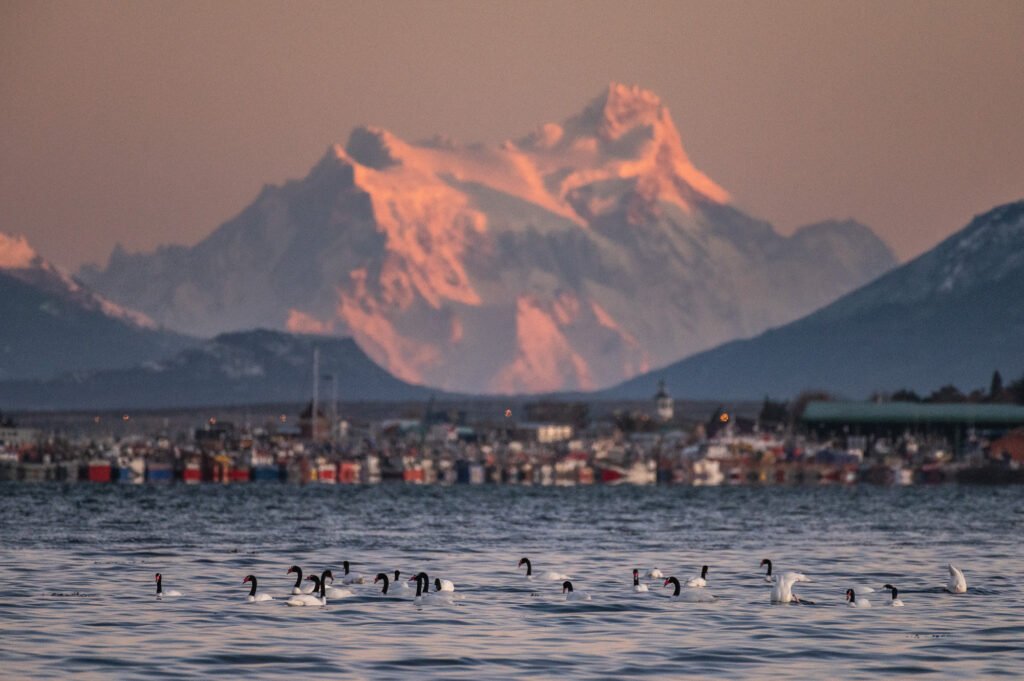
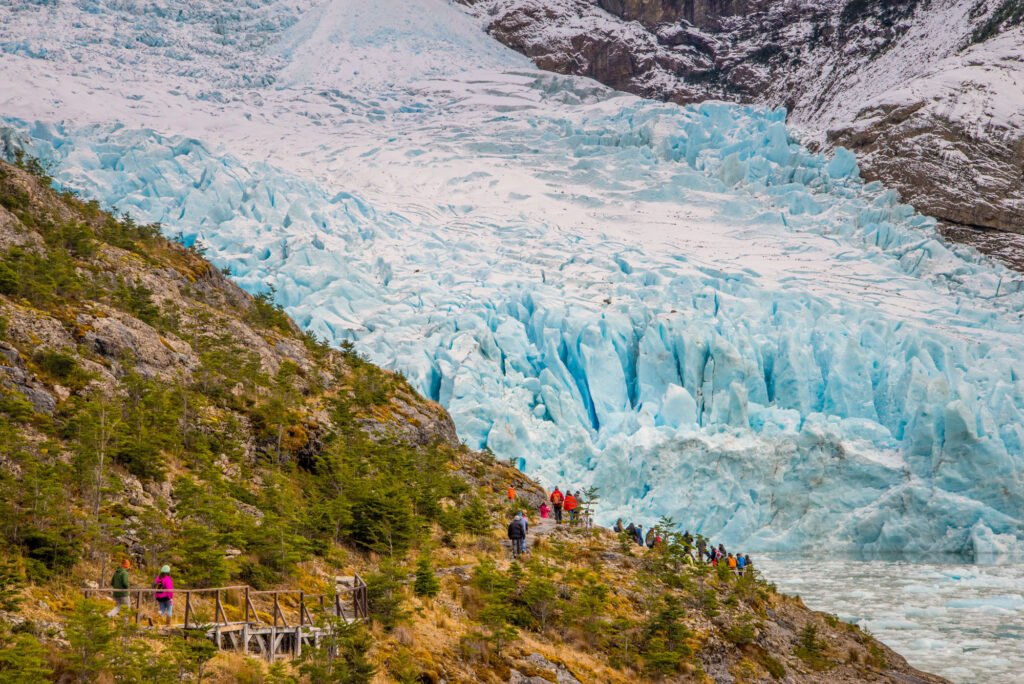
Puerto Natales is also the main operations center for exploring the province: from here you can access mountains, fjords, and boat trips to the Serrano and Balmaceda Glaciers, located within Bernardo O’Higgins National Park—Chile’s largest, spanning more than 3.5 million hectares.
Covering nearly 55,000 km², Última Esperanza’s geography is defined by a mosaic of channels, fjords, and gulfs, home to major protected areas such as Bernardo O’Higgins, Torres del Paine, and Kawésqar National Parks.
What to do in Puerto Natales
Urban Activities
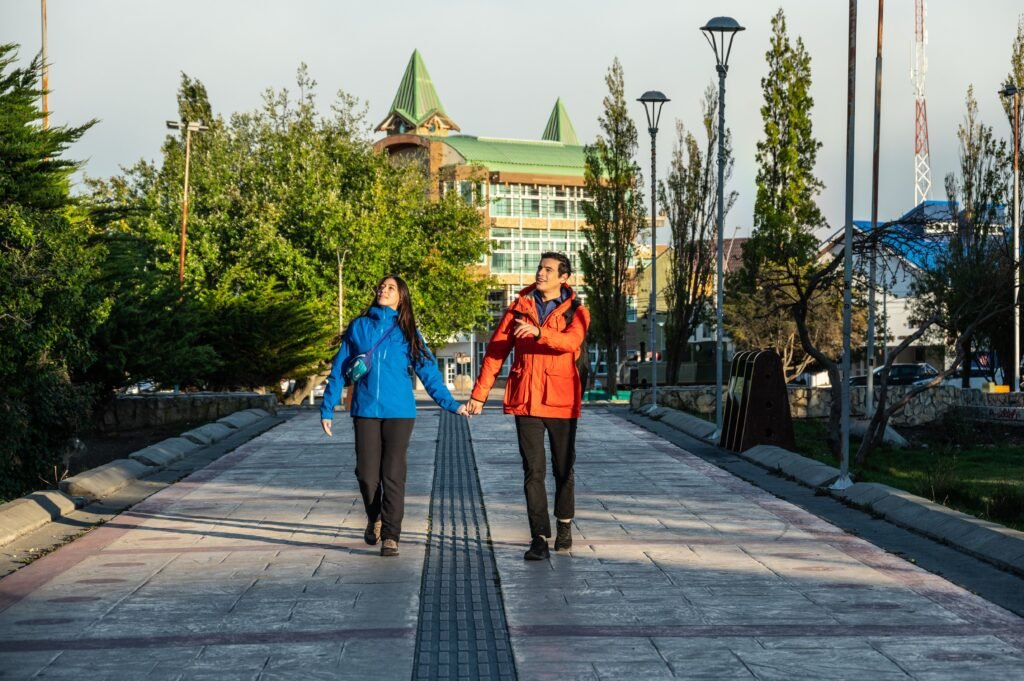
Puerto Natales is the tourism capital of Chilean Patagonia. We recommend taking a city tour with local agencies to explore this beautiful town on foot or by bike, learning about its history, architecture, and people.
Arturo Prat Main Square (Plaza de Armas)
Located in the city center, this square pays tribute to the naval hero and is surrounded by the parish church and municipal and government buildings. The square features a locomotive that was originally used to transport workers to the Puerto Bories cold-storage plant during the peak of the sheep-farming industry.
Waterfront Promenade (Avenida Costanera)
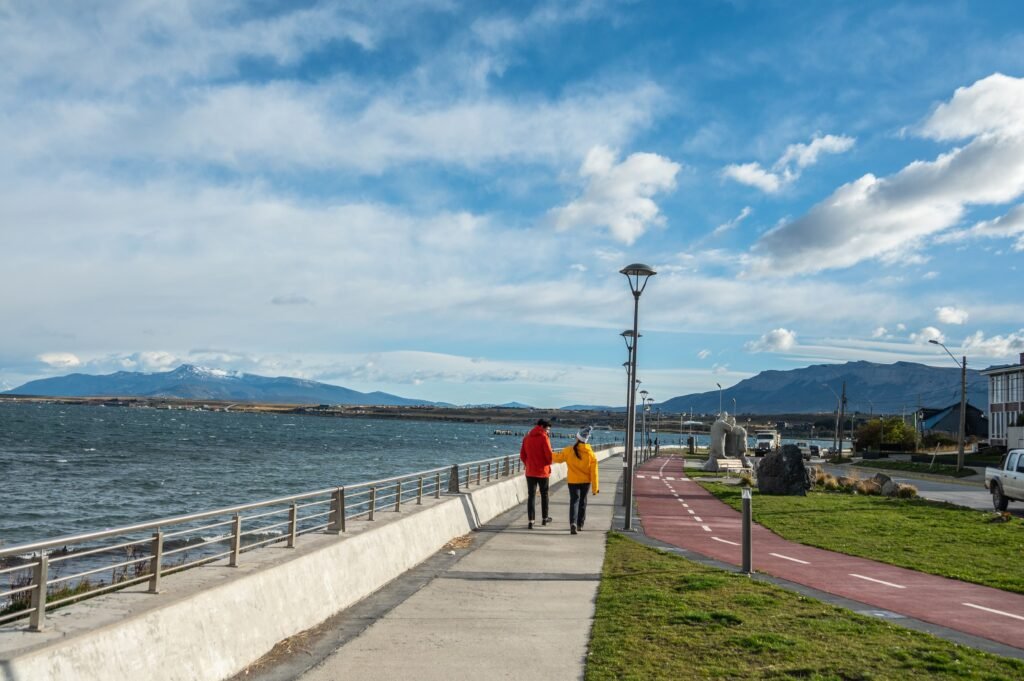
Runs along the Señoret Channel. It’s an excellent place for photographing waterbirds and views of the Última Esperanza Sound and the Antonio Varas Peninsula. Looking north, you can also glimpse the Serrano and Balmaceda Glaciers.
Braun Blanchard Pier (Muelle Braun Blanchard)
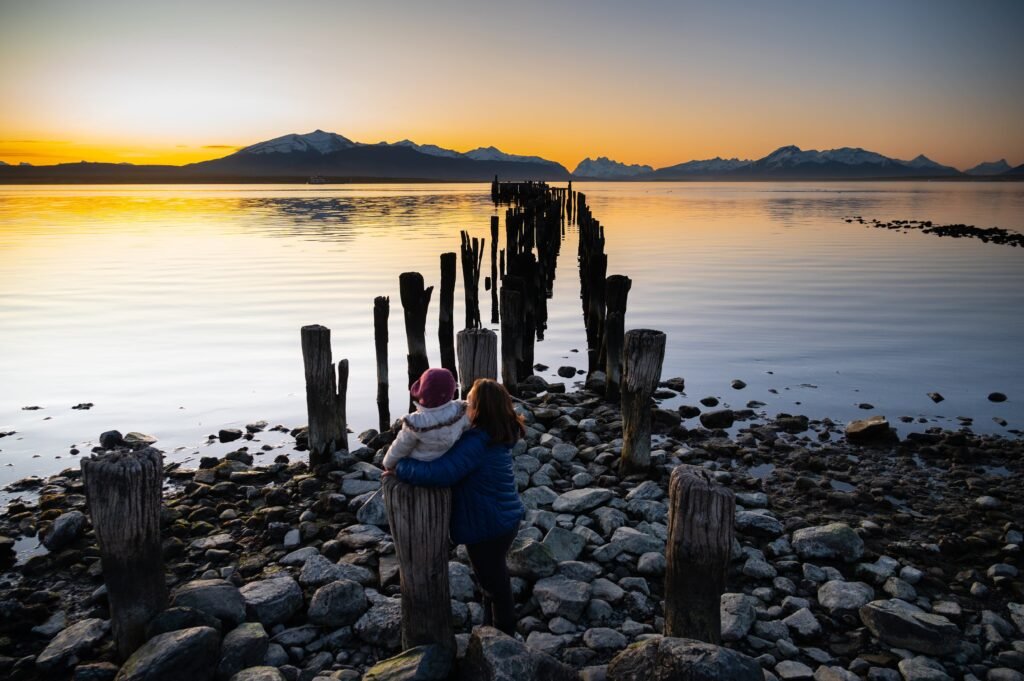
Along the shoreline you’ll find the remains of the old pier that once belonged to the Braun & Blanchard trading house, a prosperous commercial company in late 19th-century Chilean-Argentine Patagonia. Today, this historic pier is home to cormorants and is a classic Puerto Natales postcard.
Etherh Aike Handicraft Village
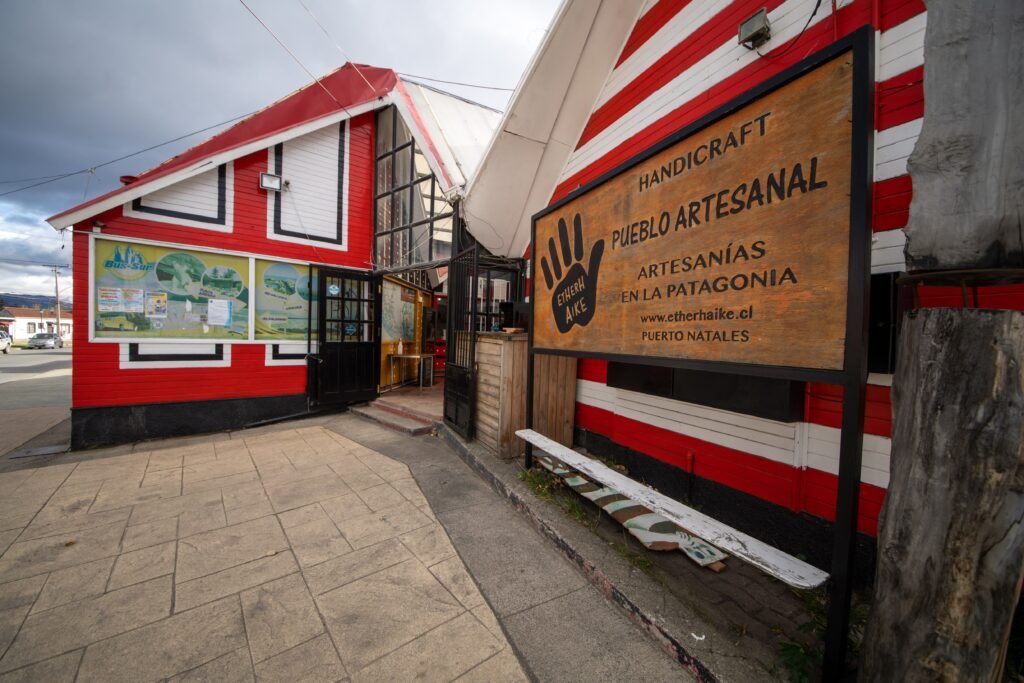
A great place to find local artisans’ work inspired by Indigenous cultures, rural life, and native flora and fauna.
Municipal Historical Museum
Exhibits archaeological objects from the area’s Indigenous peoples, along with displays dedicated to local history and the province’s colonization, with a focus on livestock ranching.
Restaurants, pubs, and casino
Puerto Natales is known for its culinary delights, enjoyed in restaurants and pubs in the downtown area and along the waterfront. You can also visit a craft brewery and a gin distillery to taste their signature flavors.

Nature Activities
Climbing
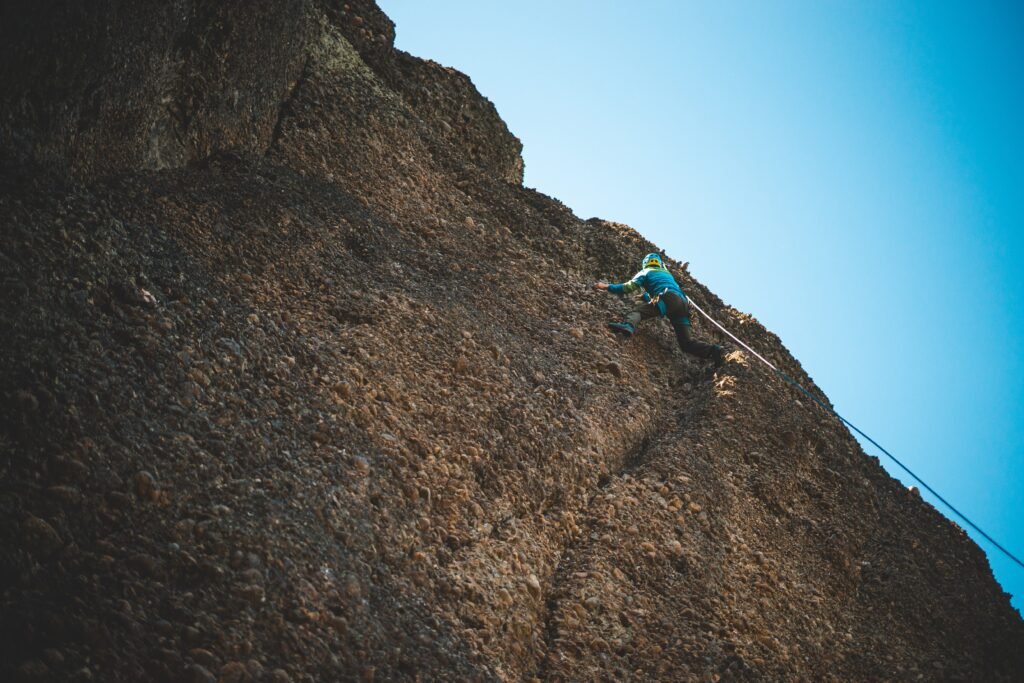
There are several climbing areas near Puerto Natales. We recommend checking with local agencies, which have the necessary permits and equipment.
Kayaking
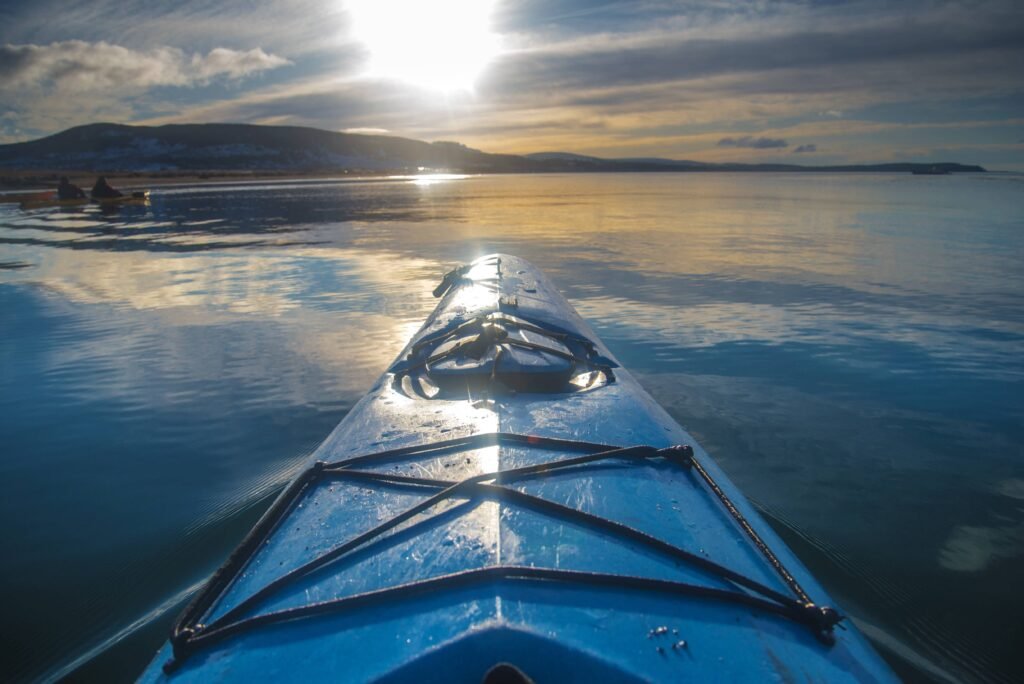
El Seno Última Esperanza es un lugar ideal para navegar en kayak en días sin viento.
The Última Esperanza Sound is ideal for kayaking on calm, windless days. Other kayaking spots include Eberhard Fjord, Puerto Consuelo, and Laguna Sofía. A specialized guide is required, along with proper kayaks for this type of excursion, and the Chilean Navy must be notified. Local tour agencies offer these trips.
Recreational fishing
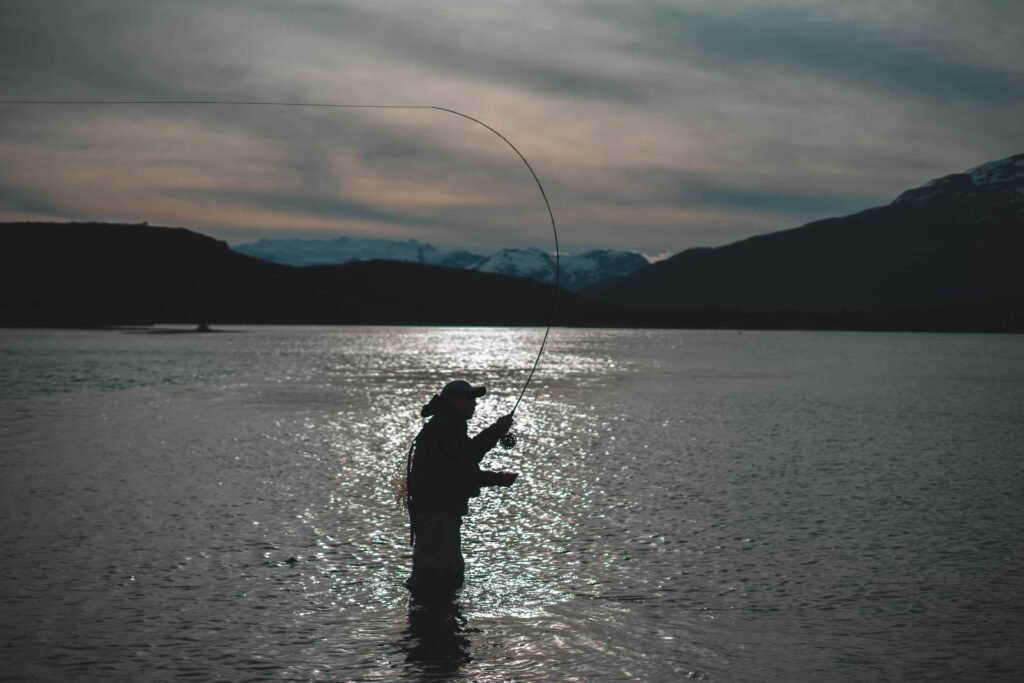
Several areas around Puerto Natales are suitable for recreational fishing. Rivers and lakes offer plentiful brown and rainbow trout. Recommended areas include Sierra Baguales; Lakes Balmaceda, Pinto, and Toro; and the Hollemberg and Serrano Rivers. It’s necessary to work with local agencies that provide the required gear and permits.
Chilean residents must obtain a recreational fishing license for “inland waters” and “marine waters.” For foreign visitors, a one-year license must be requested through the Sernapesca office or via their website.
Fishing season: October to April.
Horseback riding
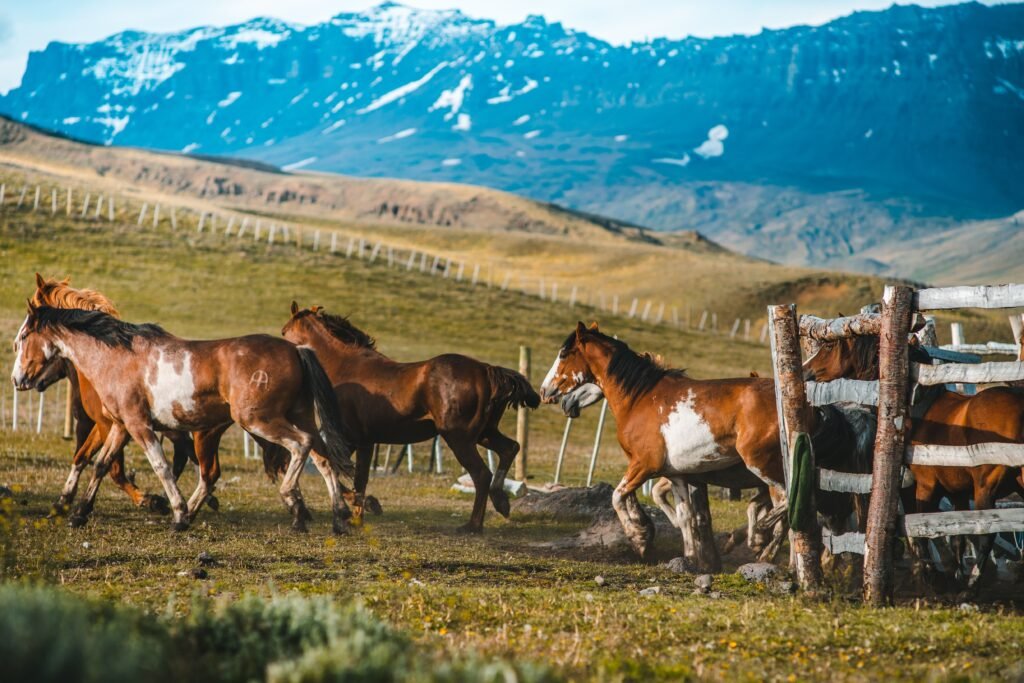
Offered in various areas around Puerto Natales and near Torres del Paine National Park, crossing rivers, forests, and even reaching areas near glaciers with the help of baqueanos (local horse guides) who know the region intimately. Some hotels and tour agencies offer these excursions.
Cerro Dorotea Viewpoint (Mirador Cerro Dorotea
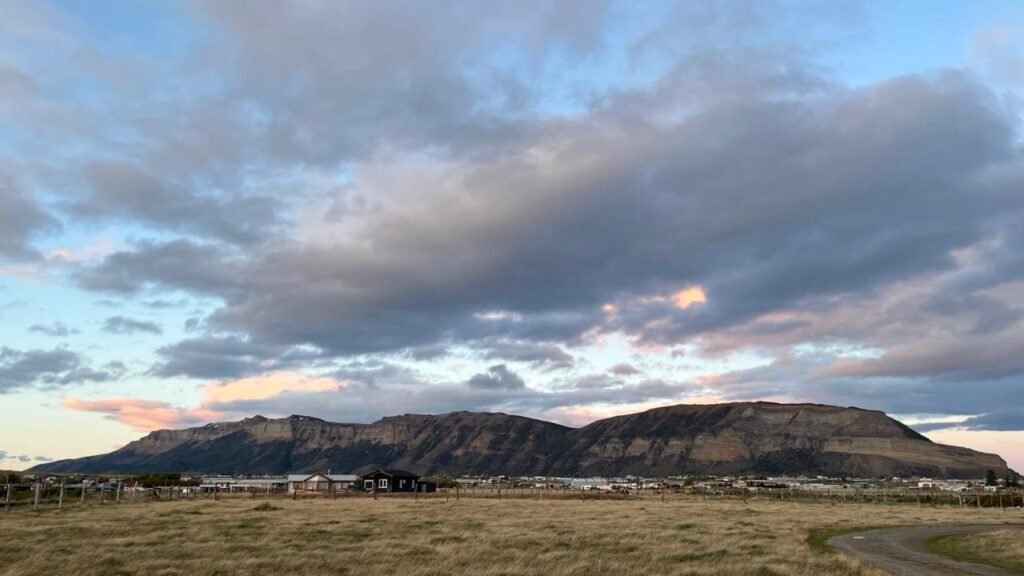
At 600 meters above sea level, it’s the ideal spot for panoramic views of Puerto Natales, the Última Esperanza Fjord, Montt Gulf, and the Dumestre area, with a dramatic glacial landscape backdrop. Trekking, horseback riding, and biking are possible here.
Location: 9 km from Puerto Natales along Route 9 toward Punta Arenas.
Access: Private property—authorization required. Local agencies run guided tours.
Sierra Baguales
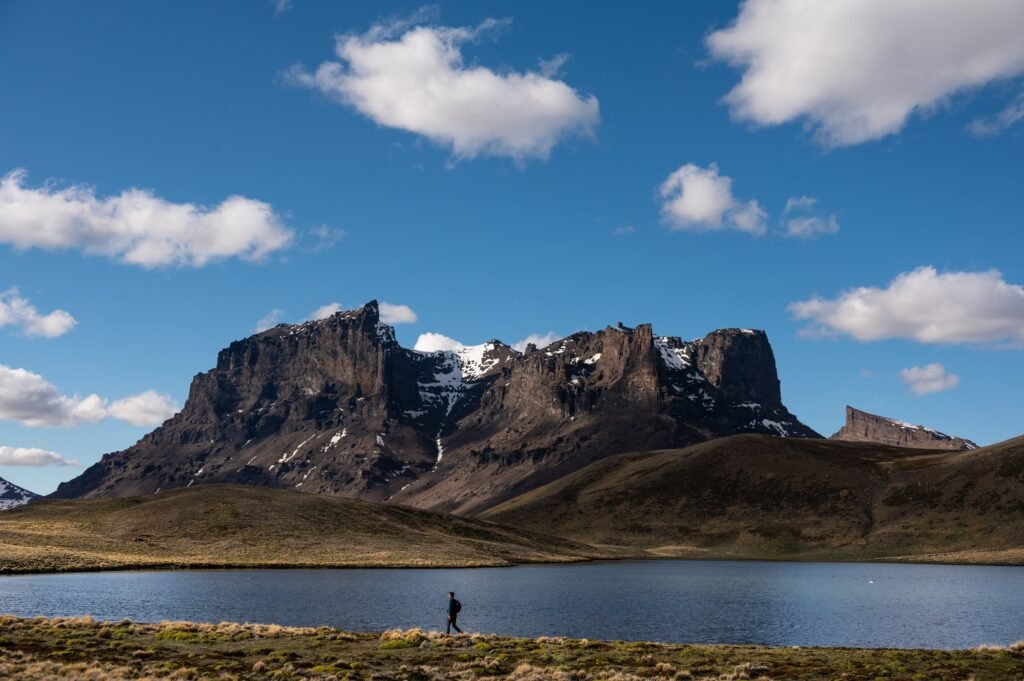
A volcanic mountain range of striking beauty located 120 km northeast of Puerto Natales, near Torres del Paine National Park. Activities include birdwatching, fossil viewing, trekking, sport fishing, and horseback riding, all while enjoying classic Patagonian scenery. We recommend coordinating a visit through local agencies.
Laguna Sofía
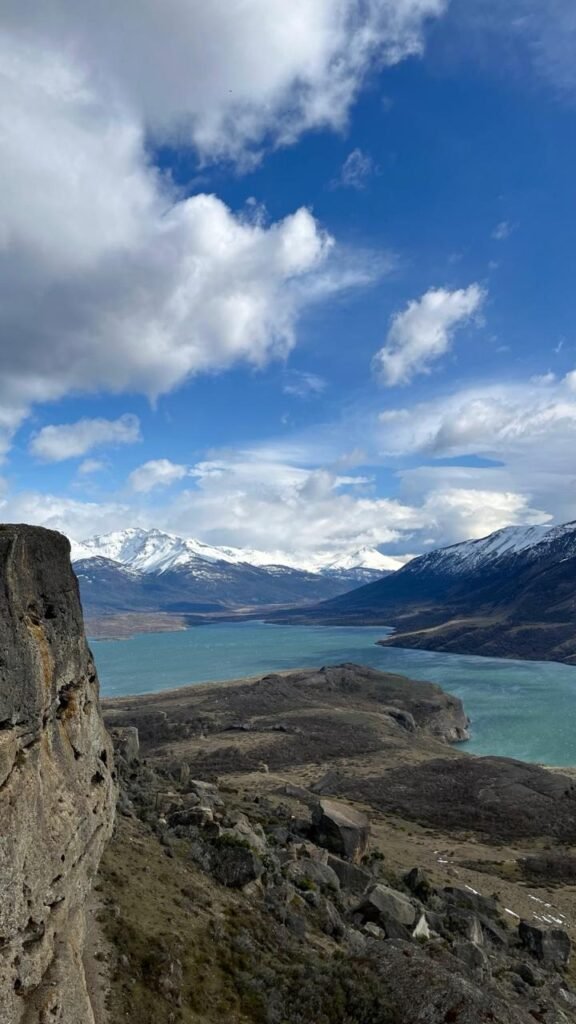
Offers outstanding views of the Prat Range, Balmaceda Glacier, Cerro Tenerife, and more. From higher points, you can also see the Última Esperanza Sound. Established trails run through lenga and ñirre forests. As it is a popular site, visitors are reminded not to leave trash, not to smoke, and to protect wildlife.
Location: 30 km north of Puerto Natales. Access to the lagoon is public, but surrounding lands are private and require prior authorization.
How to get there
By Sea:
Puerto Natales serves as an operations base for navigations to glaciers and fjords. In some cases, arriving by sea may be part of specific itineraries, although it is not the most common way to reach the city.
By Road:
You can also arrive from Argentine Patagonia by combining bus/vehicle travel with open border crossings. This route is often used when the trip includes other Patagonian destinations before reaching Última Esperanza.
By Air:
It is currently possible to fly directly year-round to Teniente Julio Gallardo Airport (PNT) in Puerto Natales, with regular commercial flights.
Alternatively, you can fly to Punta Arenas and continue overland to Puerto Natales (approx. 248 km) by intercity bus or private/shared transfer.