Visit Magallanes
All Year Round
Spring
September to November
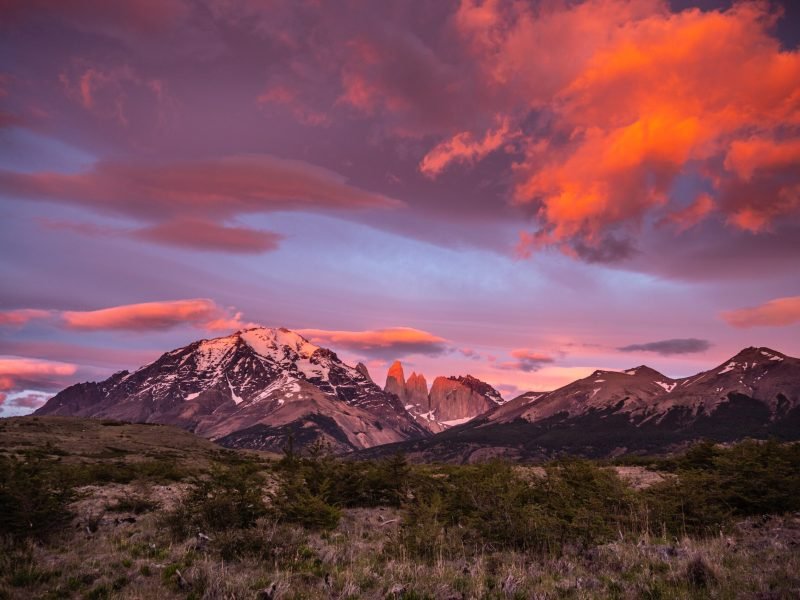
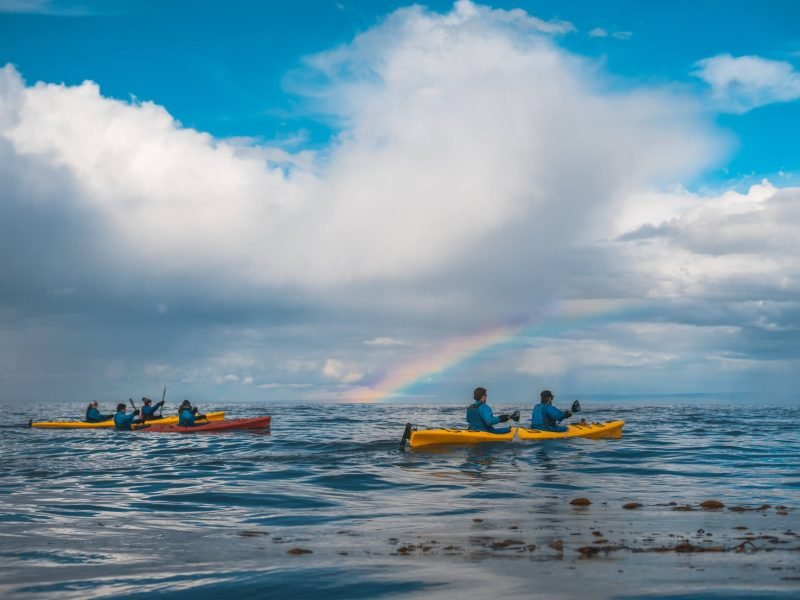
Spring is a season of renewal: more daylight returns, the landscape regains green tones, and the region begins to reactivate after winter. It’s an ideal time for travelers who want to visit before the peak of summer, enjoying an appealing mix of greater tour availability and a still-quiet atmosphere.
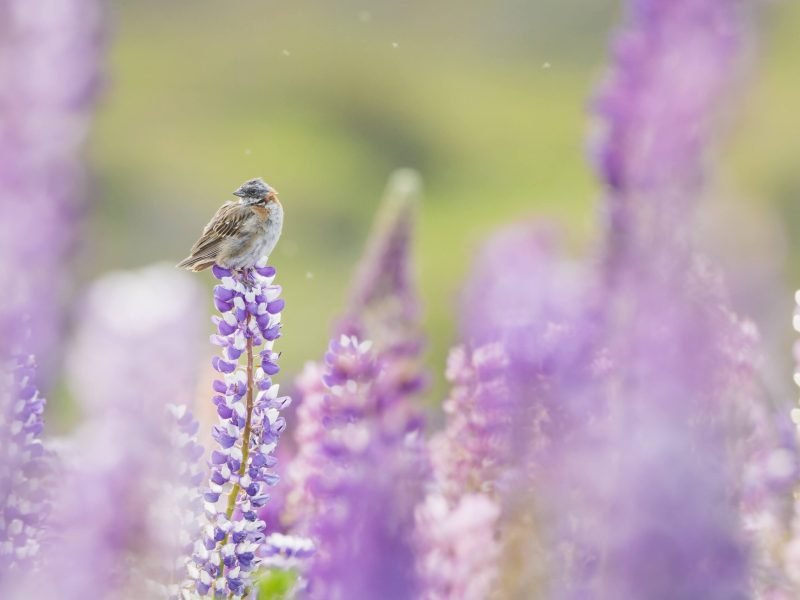
In spring, the territory feels like it’s waking up: wildlife activity increases, days grow longer, and the region offers a very good balance between urban experiences and nature. Many travelers love this time of year because it allows for hikes and viewpoints without the feeling of heavy crowds, while more tour options and services return compared to mid-winter.
That said, spring in Patagonia isn’t synonymous with stability. It can be variable, with sudden changes, strong winds, and days that alternate between sun, clouds, and showers. For that very reason, spring rewards travelers who come prepared: dressing in layers, staying flexible, and making the most of the best moments of the day. A windproof (ideally waterproof) jacket is a must, even on sunny days.
Packing tip: expect mixed conditions—wear layers and carry a waterproof windbreaker; quick-dry clothing and sturdy shoes help on changeable days.
Summer
December to February
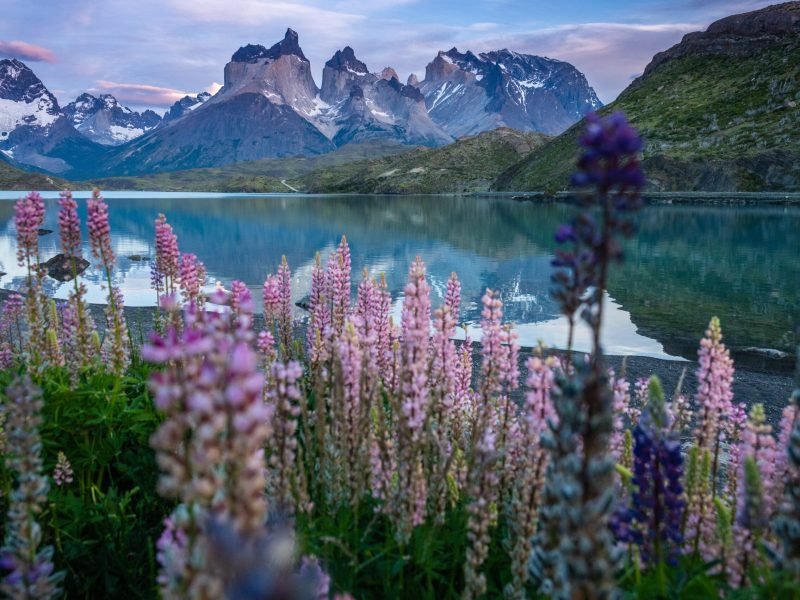
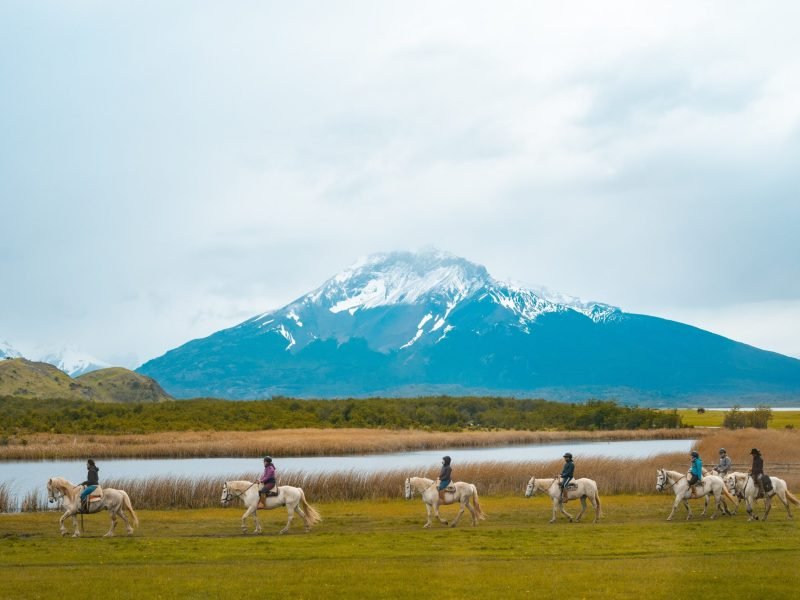
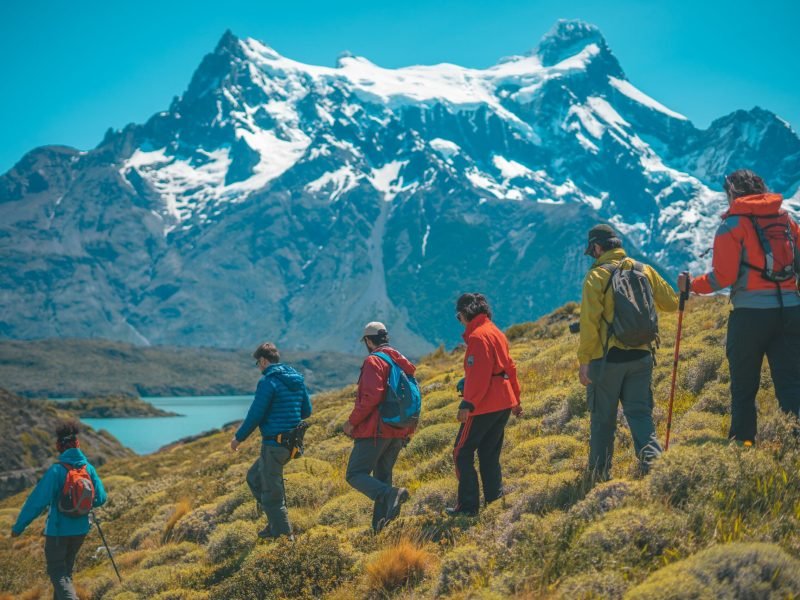
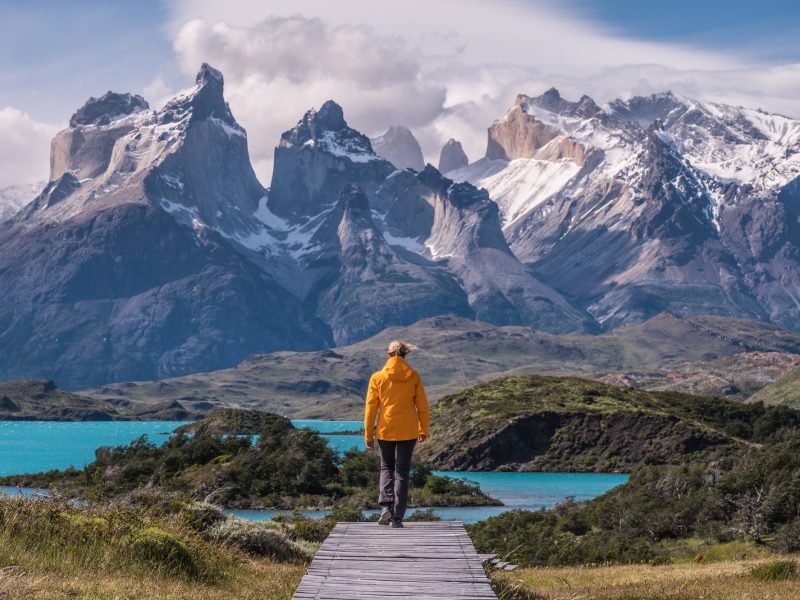
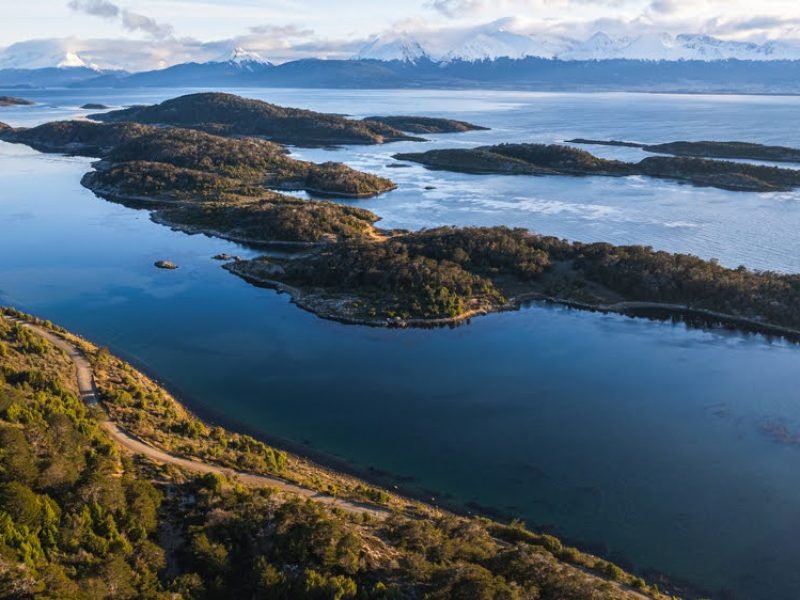
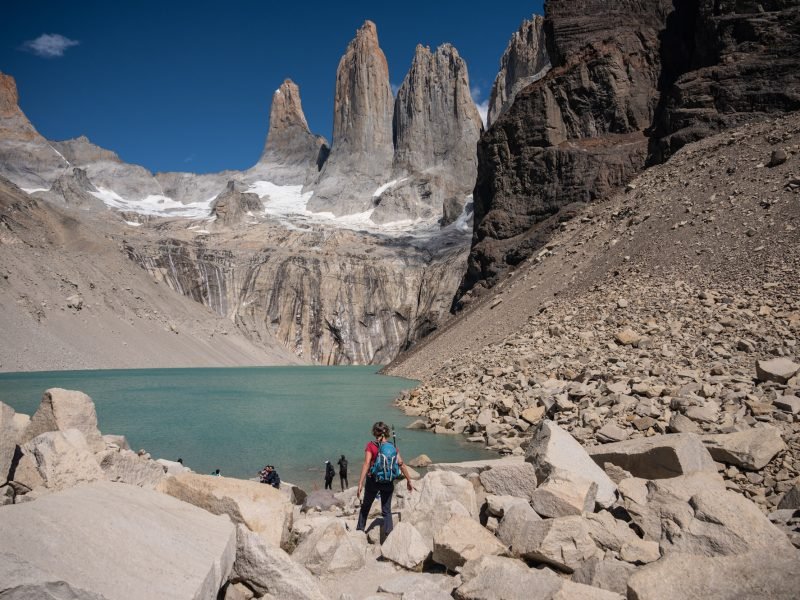
Summer in Magallanes means long days, a greater sense of openness across the region, and a special energy in its towns and national parks. It’s the most popular season to travel, because the combination of extended daylight and generally more stable conditions makes it easier to enjoy scenic routes, excursions, and hikes.
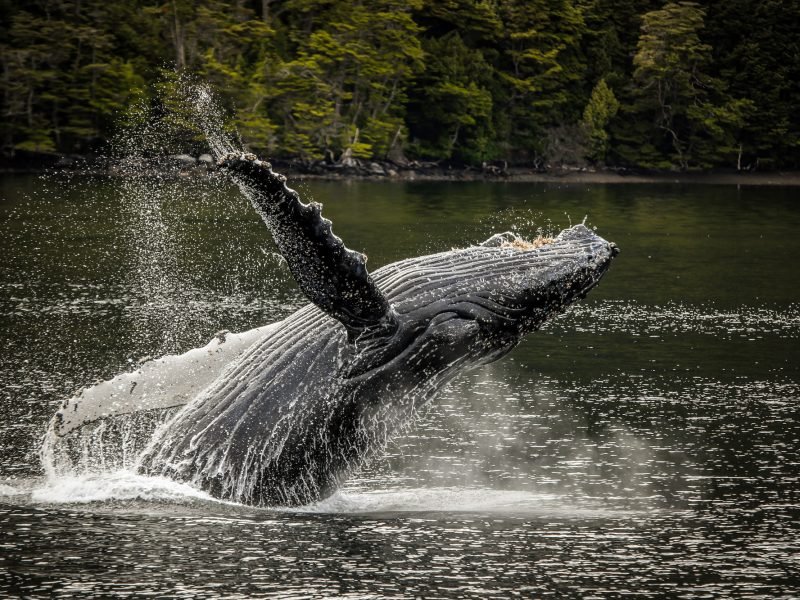
During these months, the landscape feels “sharper”: lakes and rivers show intense colors, skies often clear to reveal full panoramic views, and trails invite you to explore at an unhurried pace. It’s the ideal time for travelers who want to focus on outdoor activities—trekking, viewpoints, boat trips, wildlife watching, and park explorations. In Punta Arenas and Puerto Natales—as well as in Tierra del Fuego and Puerto Williams—the atmosphere is more active: more visitors, a wider range of tours, and greater availability of schedules and services.
Even so, summer doesn’t guarantee warmth. It’s common to experience “four seasons in one day”: a pleasant morning can turn into strong winds or brief showers in the afternoon. That’s why the key to a Magallanes summer is smart comfort—lighter layers, but always with an extra warm layer and a good windproof (and ideally waterproof) jacket. If Magallanes can deliver four seasons in a single day, pack as if you might need all four: layers make the difference. For many travelers, summer is the perfect gateway to southern Patagonia, offering the greatest flexibility and fewer weather-related restrictions. A beanie and light gloves can still come in handy, especially at viewpoints or on boat trips.
Packing tip: bring light layers and always keep a windbreaker handy—summer can shift quickly from sun to strong winds or brief showers.
Autumn
March to May
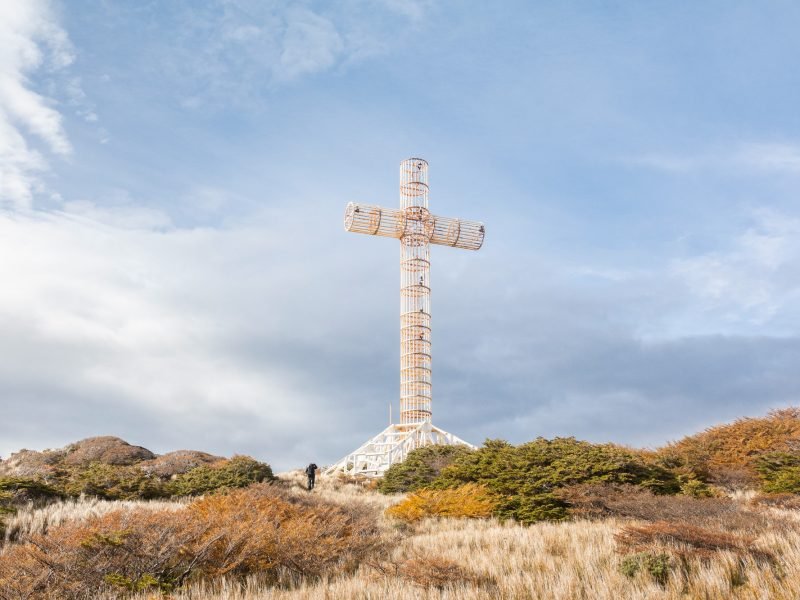
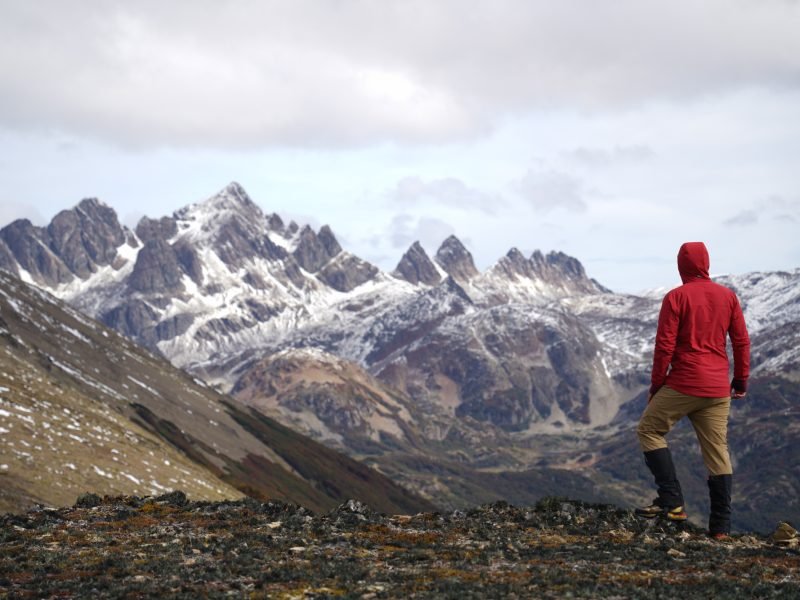
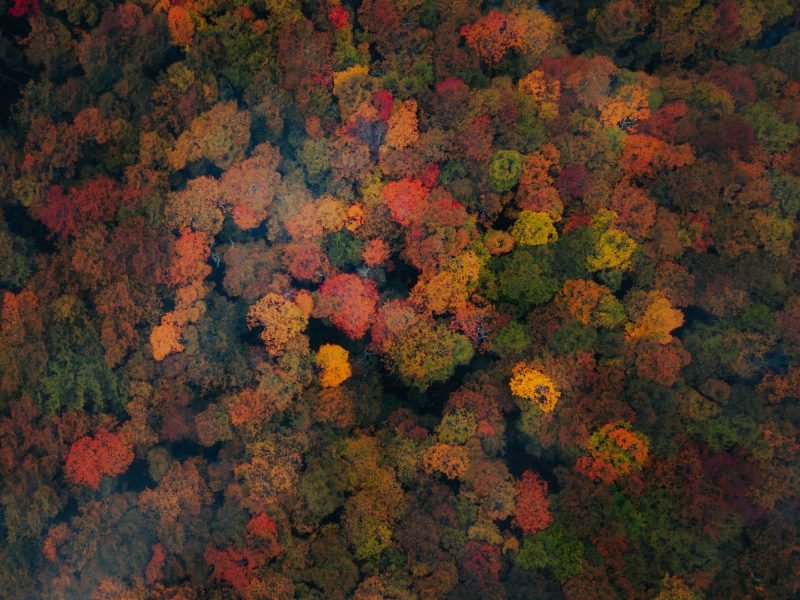
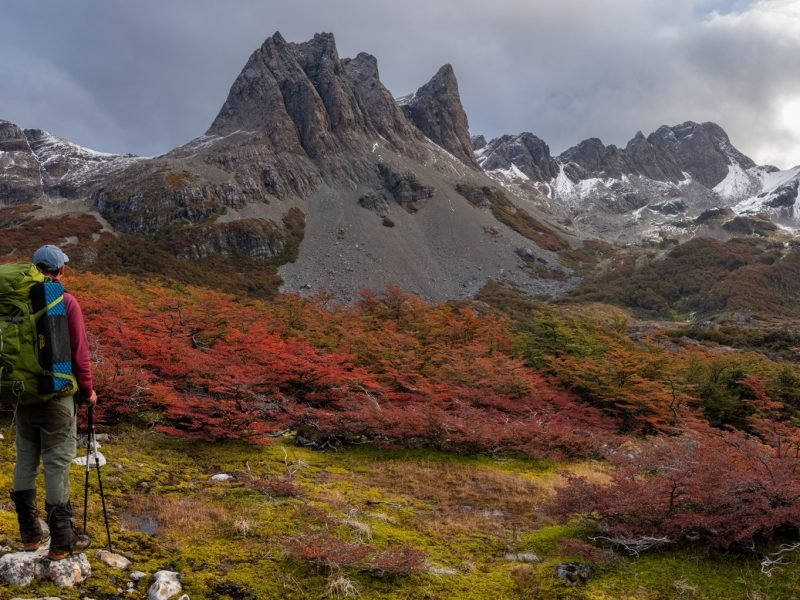
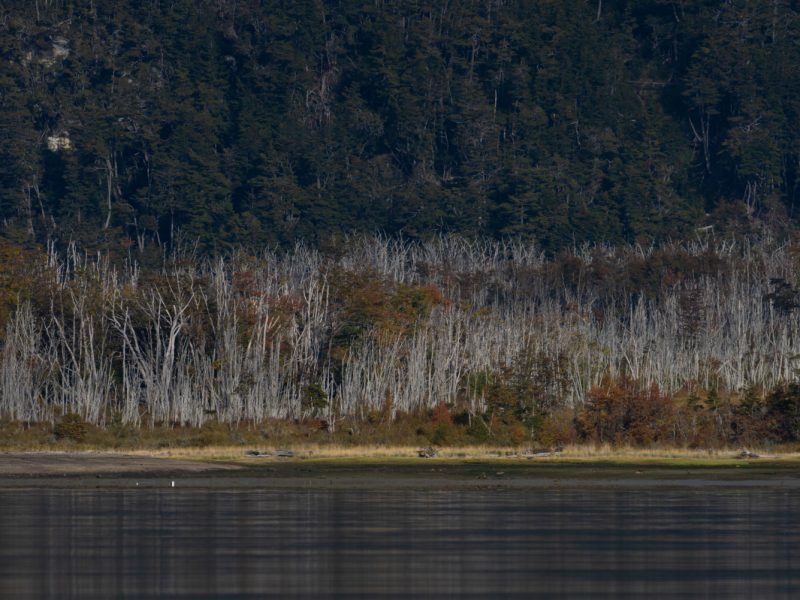
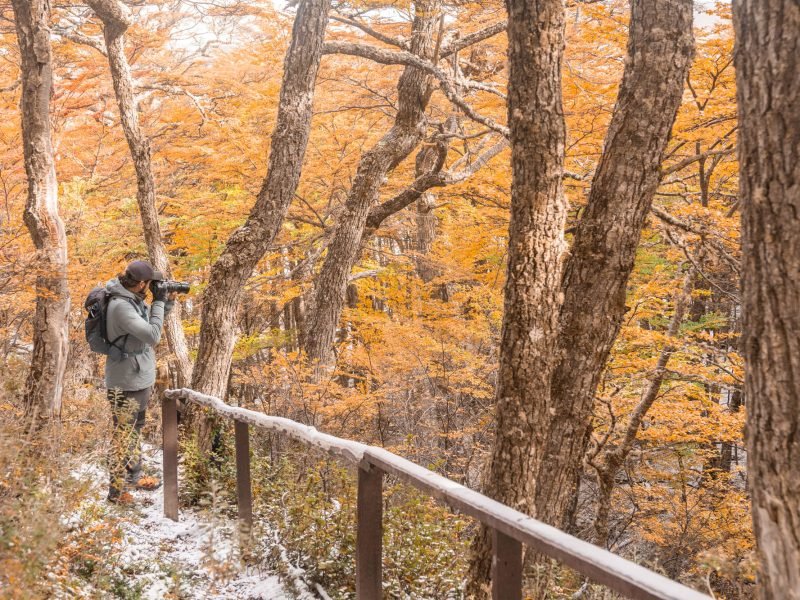
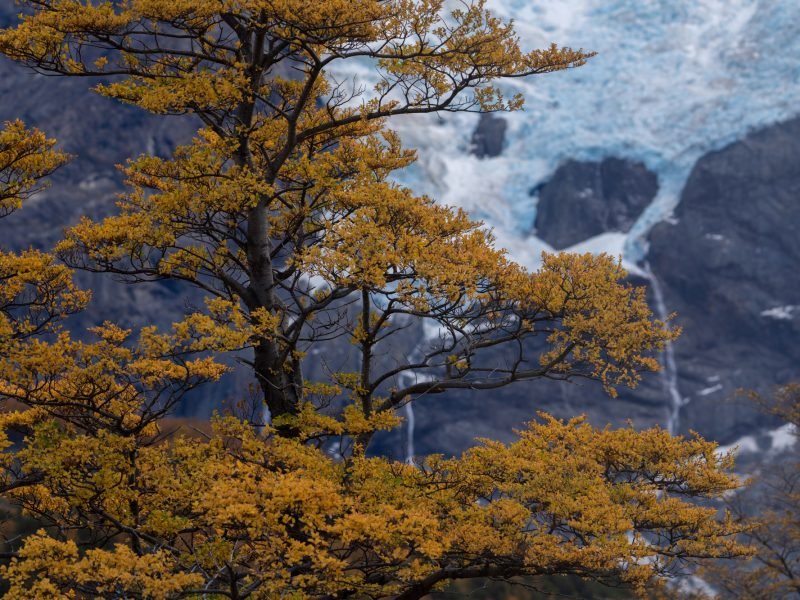
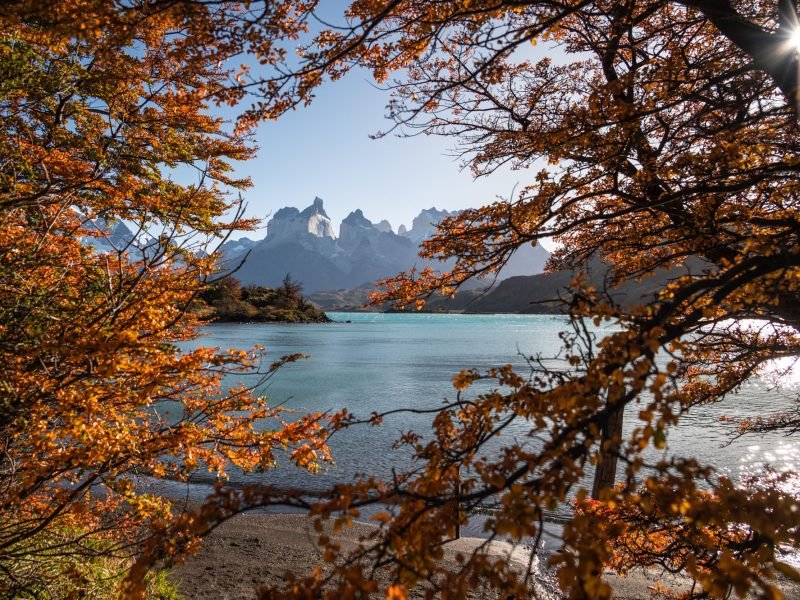
Autumn in Magallanes feels calmer and more photogenic. The pace changes: visitor numbers gradually decrease, the atmosphere becomes more serene, and the landscape transforms with warm colors—especially in forested areas—painting the surroundings in reds, ochres, and golds.
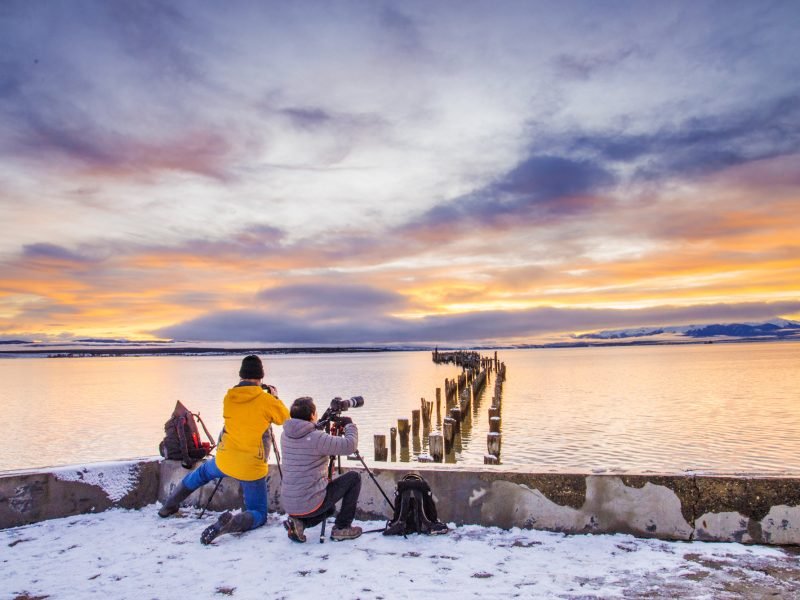
It’s an especially rewarding season for photographers, as the warm foliage tones and softer light create striking landscapes.
This season is ideal for those who enjoy traveling without rushing and with more space. Many trails feel less crowded, which helps create a more intimate connection with the landscape: listening to the wind, walking slowly, pausing to watch wildlife, or simply taking it all in. On clear days, the autumn light also highlights mountain shapes and the contrast between sky, rock, and forest.
At the same time, autumn marks the start of greater weather variability: temperatures drop, mornings become colder, and afternoons slowly shorten. It’s also a perfect time to combine nature with local culture—museums, urban viewpoints, Patagonian cuisine, exploration stories, estancias, and experiences that connect with the identity of the end of the world. Pack layers and a windproof, waterproof jacket—mornings can be cold, and the wind can change quickly.
Overall, autumn feels like a more “authentic” Patagonia, with fewer crowds—highly recommended for travelers looking for a balance of unforgettable scenery and a sense of calm.
Packing tip: dress in layers with a warm mid-layer and a windproof or waterproof outer jacket; a hat and gloves are helpful for colder mornings.
Winter
June to August
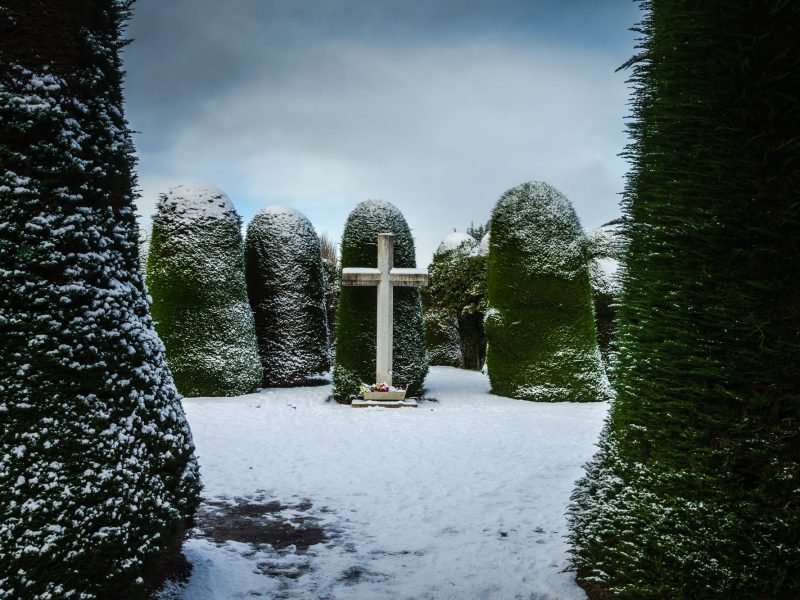
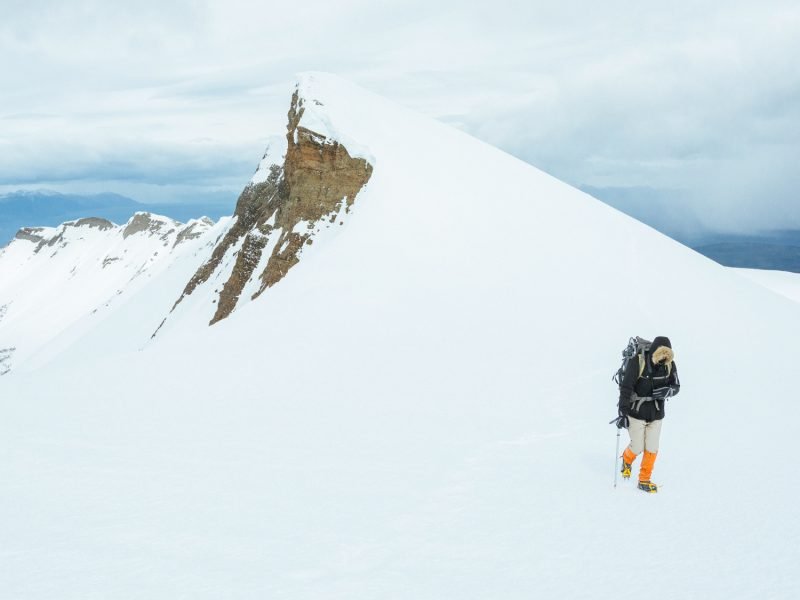
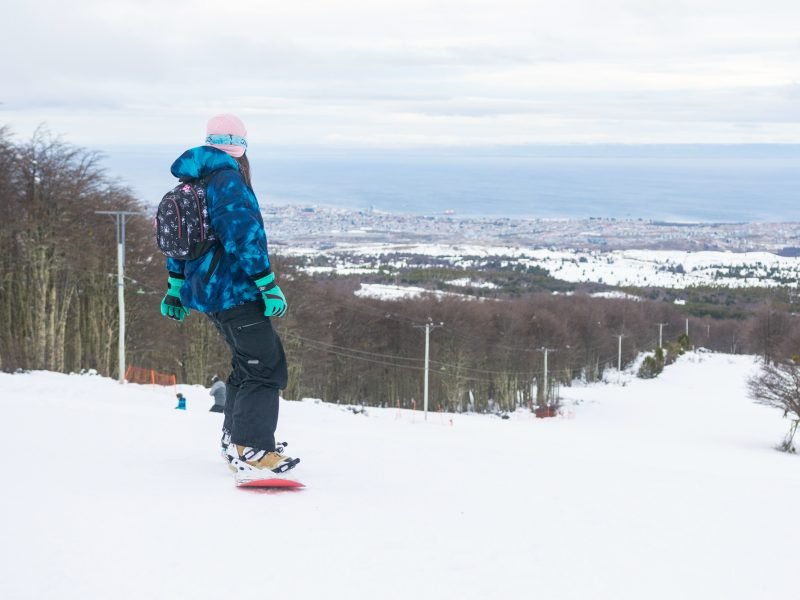
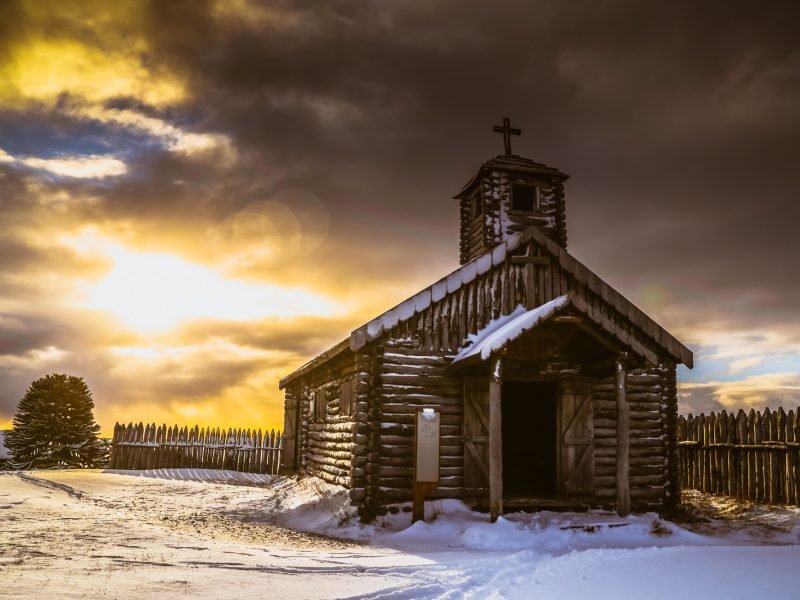
Winter in Magallanes is intense: it’s the quietest season, when the region reveals its most challenging—and most magical—side. Temperatures drop, winds remain a constant presence, and the possibility of snow gives the landscape a cinematic feel. It’s a different kind of season, best for travelers seeking a more contemplative, more local experience, with a touch of real adventure.
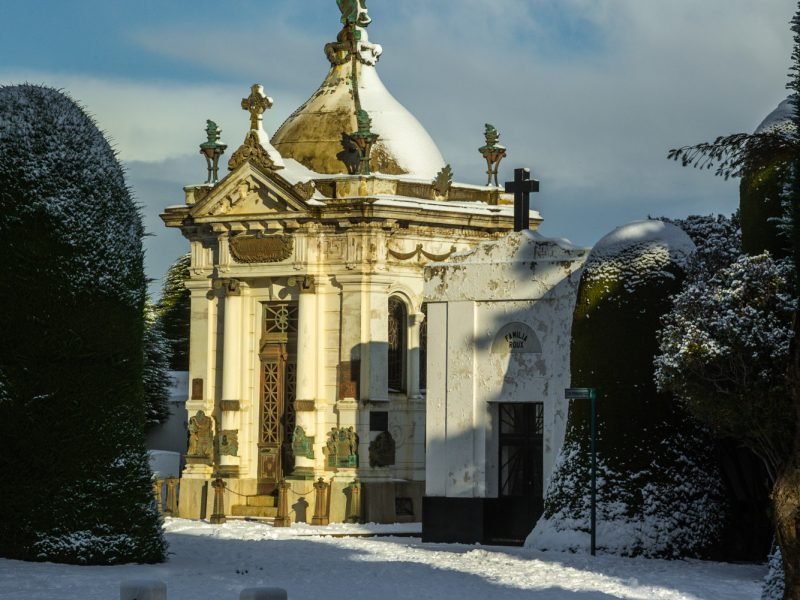
In winter, planning becomes essential. Many outdoor activities are still possible, but they depend heavily on weather and road conditions. This season is best enjoyed with a flexible approach: having alternatives, making the most of good-weather windows, and balancing outdoor time with indoor experiences. Punta Arenas, for example, becomes an excellent base to enjoy winter through culture and history—museums, viewpoints, the waterfront, architecture, and stories tied to navigation and Patagonian identity. Warm, windproof gear is essential: thermal base layers, an insulated jacket, hat and gloves, and waterproof boots with good traction.
Winter also enhances sensory experiences: stepping out into the cold and then warming up indoors with local food—a hearty soup, a hot meal, or a good conversation. There’s something special about seeing southern landscapes in silence, with lower light and an atmosphere that feels remote and deeply authentic.
For some travelers, this is the most memorable season because it shows Magallanes without filters: fewer tourists, a stronger “end-of-the-world” feeling, and a different connection with the land.
Packing tip: plan for real cold—thermal base layers, an insulated jacket, waterproof boots, and warm accessories (hat, gloves, neck gaiter) make the season much more comfortable.